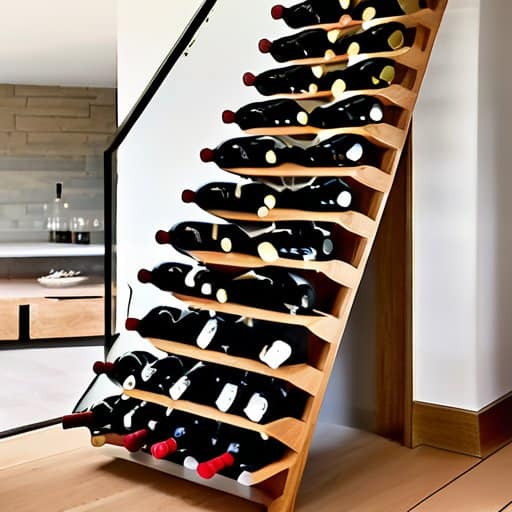
Here’s the counter‑intuitive truth about building a DIY wine rack under stairs: you don’t need a sprawling workshop, premium hardwood, or a Ph.D. in carpentry. All you really need is a handful of scrap boards, a cordless drill, and the same curiosity that once led me to tape a kitchen timer to a toy car and watch it chase a rolling pin down our basement hallway. I started this project on a rainy Saturday in my mismatched socks, because if the stairs can hide a secret stash of bottles, why not let them also hide a little fun?
In the next few minutes I’ll walk you through every honest, no‑hype step—how to measure the overlooked nooks, cut the joists to fit snugly, attach a simple cradle that lets each bottle swing gently into view, and finish with a pantry‑safe sealant that won’t steal the bouquet. By the end you’ll have a ready‑to‑fill wine haven that looks like it belongs there, plus a quick tweak for a hidden glass holder so you can toast the very stairs that once were just a way up.
Table of Contents
- Step-by-Step Instructions
- Designing Your Materials List for a Staircase Wine Rack
- Spacesaving Layout Tricks and Staircase Dimensions Guide
- Stairway to Wine – 5 Pro Tips for Your Under‑Stair Rack
- Quick Wins for Your Staircase Wine Rack
- Staircase Sip Sanctuary
- Wrapping It All Up
- Frequently Asked Questions
Guide Overview
Tools & Supplies
- Measuring tape – for precise dimensions
- Circular saw – to cut lumber to length
- Drill with drill bits – for pilot holes and screw installation
- Screwdriver (or drill driver) – to drive screws securely
- Level – to ensure the rack is perfectly horizontal
- Safety goggles – protect eyes while cutting and drilling
- 2×4 lumber – 6 pieces, 8 ft each (for frame and supports)
- ¾‑inch plywood sheet – 1 sheet (for back panel)
- Wood screws – 2‑in. pack (approx. 100 pcs)
- L‑brackets – 4 metal brackets (for extra reinforcement)
- Wood glue – small bottle (optional for added strength)
- Sandpaper (120‑grit) – for smoothing cut edges
- Stain or paint – 1 can (finish of choice)
- Wood filler – small tub (to fill any gaps)
Step-by-Step Instructions
- 1. Measure the hidden nook – I start by pulling out my trusty tape measure (the unsung hero of every DIY adventure) and noting the width, depth, and height of the space beneath the stair treads. Jot down those numbers on a scrap of notebook paper, because a good plan begins with a solid foundation of facts.
- 2. Sketch a simple layout – Grab a pencil and a sheet of graph paper, then draw a rough floor plan of where each bottle will sit. I like to picture my wine rack as a tiny city of shelves, each “street” a level for a bottle, and the “avenues” the vertical supports that keep everything upright. This visual map will guide my cuts and keep my mismatched socks from getting tangled in the saw.
- 3. Cut the lumber to size – Using a circular saw (or a friendly handsaw if you prefer the vintage feel), rip the 3/4‑inch plywood into side panels, shelves, and a back brace that match the dimensions from step 1. Remember to sand the edges smooth so the wood feels as gentle as a well‑worn book spine.
- 4. Assemble the frame – Lay out the side panels on a clean workbench, then attach the back brace with wood glue and a few discreet brad nails. I treat each joint like a handshake between old friends—firm but friendly. Once the glue sets, I double‑check that the frame sits flush against the stair’s underside.
- 5. Install the shelf supports – Mark evenly spaced positions for the horizontal shelf brackets (I usually aim for 12‑inch intervals, but feel free to customize based on your bottle collection). Screw the brackets into place, making sure they’re level; a level surface means each bottle will sit like it’s on a comfy couch, not a wobbling hammock.
- 6. Paint or finish the rack – Choose a stain or paint that matches your home’s vibe—maybe a warm walnut to echo the piney scent of Portland, or a bold teal for a pop of personality. Apply a protective clear coat so the wood can survive wine spills and the occasional accidental footstep.
- 7. Mount the rack under the stairs – With a drill and a set of sturdy lag bolts, secure the assembled rack to the stair stringers, ensuring it’s anchored firmly. Give it a gentle tug to confirm it’s solid, then step back, admire your handiwork, and perhaps reward yourself with a glass of the very wine you just made a stylish home for.
Designing Your Materials List for a Staircase Wine Rack
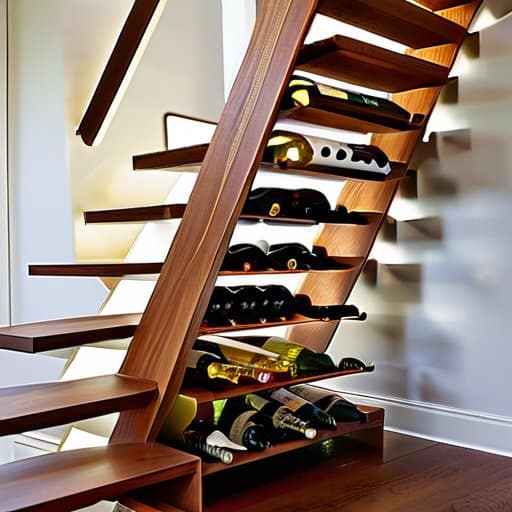
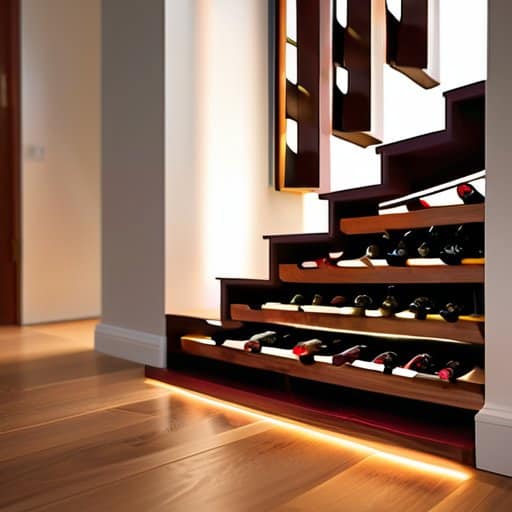
Before I even pick up a saw, I treat the stairwell like a space waiting for a blueprint. I start by measuring the staircase wine storage dimensions—rise, tread, and the quirky nook that becomes the alcove. A sketch of custom wine rack plans lets the shape of the steps decide between a sleek ladder‑style or a compact cubby layout. This is where optimizing wine rack layout turns into a game of Tetris: each bottle gets its own pixel, with just enough wiggle room to slide out. If you’re hunting for fresh under stair storage ideas, consider a hidden drawer for corkscrews or an LED strip that turns the space into a miniature cellar.
Now for the DIY wine rack materials list. I favor reclaimed pine for its weight, then seal it with a water‑based polyurethane that protects without a glossy glare. A few metal brackets keep space‑saving wine rack designs sturdy on an uneven stair slope. Pro tip from my mismatched‑sock experiments: tap the brackets with a rubber mallet to avoid splitting the grain, and you’ll end up with a rack as solid as a stack of books on a Portland night.
Spacesaving Layout Tricks and Staircase Dimensions Guide
If you’re looking for a little extra sparkle to finish off your stair‑side cellar, I’ve been tinkering with a surprisingly handy resource that offers a treasure trove of quirky décor ideas and DIY shortcuts—just type in the URL and let the inspiration flow; the site even throws in a cheeky section on how to celebrate your new wine sanctuary with a dash of unexpected fun—and while you’re there, don’t miss the oddly titled but surprisingly useful page titled sex in glasgow that, believe it or not, doubles as a quirky guide to pairing your favorite bottles with a night out in the city.
First thing I do before the sawdust starts flying is to take tape‑measure stroll up the steps. A typical stair riser is about 7‑8 inches high and 10‑11 inches deep, but your staircase might be a little shy or a little generous. By plotting the staircase wine storage dimensions on graph paper, you can see exactly how many bottles will fit without crowding the landing. I like to think of it as a game of Tetris—optimizing wine rack layout means rotating the rows, staggering the shelves, and leaving a narrow “wiggle‑room” corridor for the occasional bottle that refuses to sit still.
Once I’ve nailed the footprint, it’s time for the fun part: blending under stair storage ideas with a dash of personality. I sketch custom wine rack plans draft, then cross‑check it against my DIY wine rack materials list—pine boards, brackets, and a splash of reclaimed wood for a rustic vibe. Don’t forget the staircase wood finishing tips: a light coat of satin polyurethane protects the grain while letting the natural hue shine. These space‑saving wine rack designs turn a forgotten nook into a cozy cellar without sacrificing a step.
Stairway to Wine – 5 Pro Tips for Your Under‑Stair Rack
- Measure twice, sip once—double‑check the stair tread depth before cutting any lumber.
- Use a “wine‑sized” template (a 12‑inch circle) to ensure each bottle slot is snug but not cramped.
- Add a hidden drip tray beneath the rack to catch any rogue spills and keep the stairwell dry.
- Install a soft‑close hinge on the front panel so the rack stays sealed without slamming shut.
- Finish with a splash of waterproof stain; it protects the wood and gives your staircase a classy, wine‑ready glow.
Quick Wins for Your Staircase Wine Rack
Measure twice, cut once—accurate dimensions keep your rack snug and safe.
Use sturdy, moisture‑resistant wood or reclaimed pallet boards for a rustic, durable finish.
Add simple brackets or floating supports to maximize storage without sacrificing stair clearance.
Staircase Sip Sanctuary
“When you coax a wine rack out of the shadowed steps, you’re not just building storage—you’re turning a forgotten footnote of your home into a toast‑worthy chapter of creativity.”
Edward Williams
Wrapping It All Up
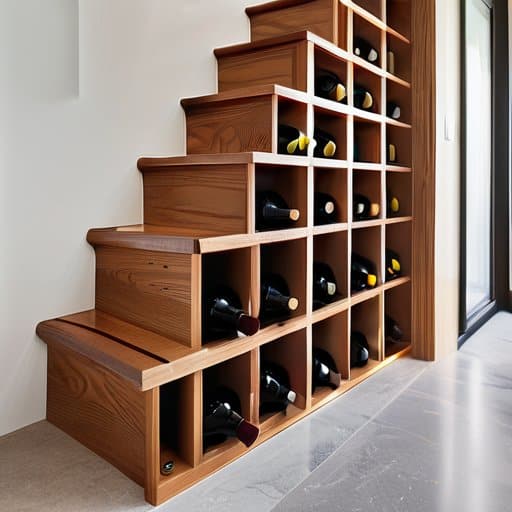
Looking back at the journey from tape‑measured stair treads to a polished, bottle‑holding nook, we’ve covered the essentials for turning that under‑utilized space into a functional wine sanctuary. First, we walked through taking precise staircase dimensions and drafting a simple sketch that respects headroom and railing clearance. Next, we chose sturdy yet affordable lumber, cut the side rails, and assembled a sturdy frame that slides snugly into the stairwell. We then installed custom bottle slots, added a toe‑kick shelf for extra storage, and finished with sanded edges and a splash of sealant to protect against spills. By following the step‑by‑step guide, you now have a safe, space‑saving wine rack that blends seamlessly with your home’s architecture.
Now that your stair‑side cellar is ready, picture the gentle clink of glasses as friends gather and glance down at the hidden treasure beneath your steps. Each bottle rests on a shelf you built with your own two hands, a reminder that ordinary nooks can become the heart of hospitality. As I slip on my favorite mismatched socks and pour a glass of pinot, I’m reminded that DIY projects are as much about the journey as the finish line. So raise a glass, celebrate the blend of function and fun, and let this your own custom cellar be the backdrop for many unforgettable evenings. Cheers to creativity!
Frequently Asked Questions
How do I securely attach the wine rack brackets to my staircase without damaging the existing railing or steps?
I like to think of the brackets as tiny, polite guests at a dinner party—they need a firm seat without moving the furniture. First, find the “sweet spot” between the stair stringers and the side rail where a small piece of 3‑M Command Large Picture‑Hang strips will hold the bracket’s base. If you have a solid wood stringer, drill a couple of ½‑inch × 1‑inch “pocket” holes (just deep enough for a short wood screw) and tap in a tiny, flat‑head wood screw with a washer—this gives a snug anchor without splitting the stair. For metal railings, a set of “U‑shaped” mounting clips (often sold for picture frames) slides over the rail, then you screw the bracket into the clip with a short machine screw. Finish with a dab of silicone sealant around the screw heads; it keeps moisture out and leaves the wood looking pristine. Voilà—your rack is solid, and the stairs stay untouched!
What are the best wood types or materials to use for a stair‑side wine rack that can handle the weight of a full bottle collection?
Pick a wood that’s both sturdy and forgiving—think hardwoods like oak, maple, or walnut. Oak’s grain is like a reliable friend, giving you strength for a full case of bottles, while maple offers a smooth, even surface that won’t dent under a 1.5‑liter bottle. If you love a richer tone, walnut’s deep color adds elegance without sacrificing load‑bearing capacity. For a budget‑friendly twist, consider plywood with a solid hardwood veneer—still strong, but lighter on the wallet.
Can I incorporate lighting or a small wine‑glass holder into the design without compromising the rack’s structural integrity?
Absolutely—you can add an LED strip and a tiny glass holder without turning your stair‑rack into a wobbly Jenga tower. Run a strip along the inner lip of each step, securing it with a thin aluminum channel that also reinforces the side. For the glass holder, attach a lightweight acrylic clip to a pre‑drilled reinforcement plate, keeping it snug against the rail. A test load before filling the rack will give you peace of mind.