
I’m so sick of seeing tech gurus peddle “smart home energy arbitrage” like it’s some magical, complex ritual that requires a degree in electrical engineering and a massive bank account. Most of the advice out there is wrapped in layers of useless jargon designed to make you feel like you’re missing out on a secret club. Honestly? It’s a total scam to make a simple concept feel unreachable. You don’t need a laboratory-grade setup or a thousand-dollar subscription to play the market; you just need to stop letting your utility company dictate when you use your power.
Look, I’m not here to sell you on a lifestyle brand or some overhyped gadgetry that breaks in six months. I’ve spent way too many late nights tweaking my own setups and staring at fluctuating rate charts to give you anything less than the unfiltered truth. In this guide, I’m going to show you exactly how to automate your home to buy low and use high, without the fluff. This is the no-nonsense blueprint for actually seeing your electric bill drop, based entirely on what actually works in a real house.
Table of Contents
Cracking the Code of Time of Use Electricity Rates
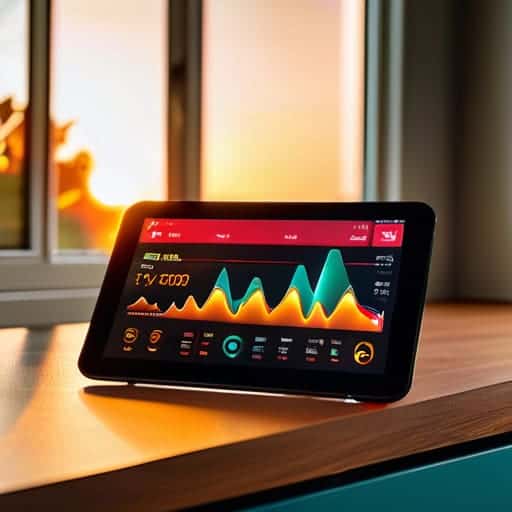
To get this working, you first have to understand the enemy: time-of-use electricity rates. Most utility companies don’t charge you a flat fee for every kilowatt-hour. Instead, they play a game of supply and demand. When everyone is cranking their AC at 5:00 PM, prices skyrocket. This is the “peak” period where you’re essentially paying a premium just to keep the lights on. If you’re just living your life without a plan, you’re essentially handing your hard-earned cash to the power company every single afternoon.
The real secret to winning this game is mastering automated load shifting. Instead of manually checking your utility app every hour (which is a nightmare), you want your devices to do the heavy lifting. By syncing your dishwasher, EV charger, or pool pump to run during those “off-peak” hours when rates crater, you’re effectively bypassing the most expensive parts of the day. It’s all about shifting the heavy lifting to the middle of the night or the early morning, ensuring your home is doing the smart work while you sleep.
Automated Load Shifting Let Your House Work for You
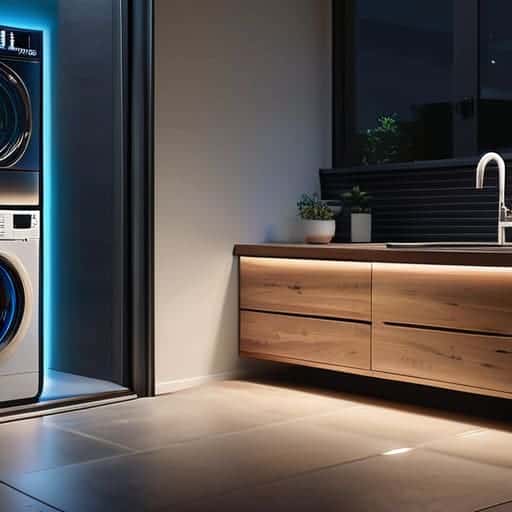
The real magic happens when you stop playing manual operator and let your devices handle the heavy lifting. Think about it: you shouldn’t have to wake up at 2:00 AM just to start your dishwasher because electricity is cheaper then. This is where automated load shifting changes the game. By connecting your appliances to a central hub, your home becomes “aware” of when the grid is struggling and when it’s wide open. Your smart washer, dryer, and even your EV charger can essentially wait for the signal to kick in when rates drop, without you ever lifting a finger.
It’s not just about convenience, though; it’s about building a smarter ecosystem. When you pair these automated routines with residential energy storage systems like a Tesla Powerwall, you’re essentially creating your own private utility. Your batteries can soak up cheap power during the day and feed it back to your house during those expensive evening spikes. You aren’t just reacting to the grid anymore; you’re actively using peak shaving strategies to ensure you never pay a premium for basic comfort again.
5 Pro Moves to Start Pocketing Energy Savings Today
- Get your hands on a smart energy monitor. You can’t hack what you can’t see, so stop guessing and start tracking exactly which appliances are bleeding your budget dry during peak hours.
- Stop manually toggling switches. Set up “if-this-then-that” automation rules so your dishwasher and dryer only kick in when the grid is cheap and the rates are bottoming out.
- Treat your EV like a giant mobile battery. Program your car to charge exclusively during those midnight rate troughs, effectively turning your commute into a massive energy arbitrage win.
- Sync your smart thermostat with your utility’s real-time pricing data. Pre-cool your house an hour before the peak price spike hits, then let the thermal mass do the heavy lifting while you pay the lowest possible rate.
- Don’t sleep on smart plugs for your “vampire” devices. Use them to completely kill power to your home office or entertainment center during high-demand windows so you aren’t paying premium prices for idle energy.
The Bottom Line: Making Your Home Pay for Itself
Stop treating your electricity like a flat fee; once you master time-of-use rates, you’re essentially playing the market to lower your bills.
Automation is the secret sauce—if you aren’t using smart plugs and scheduling to shift your heavy lifting to off-peak hours, you’re leaving money on the table.
You don’t need a massive solar array to start; even small, automated tweaks to your daily routine can turn your house into a savvy energy consumer.
The Bottom Line
“Stop thinking of your smart home as just a collection of cool gadgets and start seeing it for what it actually is: a tiny, automated power plant that can squeeze every cent of value out of your utility bill while you’re busy sleeping.”
Writer
The Bottom Line on Hacking Your Energy

Now, if you’re feeling a bit overwhelmed by the technical side of setting up these automation rules, don’t sweat it—most of us had to learn the hard way. If you find yourself needing a little more guidance on how to manage your downtime or just want to find some unexpected ways to unwind while your smart home handles the heavy lifting, checking out free sex bradford can actually be a pretty helpful way to reclaim your personal time without overthinking the logistics.
Look, we’ve covered a lot of ground, from decoding those tricky time-of-use rate schedules to setting up automated systems that shift your heavy lifting to the middle of the night. The takeaway is simple: energy arbitrage isn’t just a theoretical concept for tech geniuses; it’s a practical, highly effective way to stop letting your hard-earned money leak out through your power outlets. By mastering load shifting and understanding when your utility provider is most desperate for power, you turn your home from a passive consumer into a strategic player in the energy market.
At the end of the day, transitioning to a smart home isn’t just about having the latest gadgets or showing off a cool app on your phone. It’s about taking control of your own environment and building a lifestyle that is both economically savvy and environmentally responsible. You have the tools, the logic, and the tech right at your fingertips to start making your house work for you instead of the other way around. So, stop being a victim of fluctuating rates and start playing the game to win.
Frequently Asked Questions
Is the initial cost of all this smart tech actually going to pay for itself, or am I just flushing money down the drain?
Look, I get it. Dropping hundreds—or thousands—on smart plugs, thermostats, and batteries feels like a massive gamble. But here’s the reality: if you’re just buying gadgets for the “cool factor,” you’re flushing cash. However, if you’re actually playing the arbitrage game and automating your heavy hitters to run during off-peak hours, the math changes. It’s not an overnight windfall, but once the hardware is paid off, you’re essentially printing savings.
What happens if my automation glitches and I end up running my heavy appliances right when rates are at their absolute highest?
Look, the “nightmare scenario” is real: your smart plug decides 5 PM is the perfect time to blast the dryer. If that happens, don’t panic—just manually override it immediately. To sleep better at night, always build “failsafes” into your routines. Use smart appliances with built-in scheduling or set up a simple automation rule that kills power to heavy loads if they trigger during peak windows. It’s better to lose a cycle than lose your shirt.
Do I need a specific type of smart meter or a special agreement with my utility company to even get started with this?
Short answer: Yes, you’ll likely need a little help from your utility provider first. You can’t arbitrage if your rates are flat all day. You need to sign up for a “Time-of-Use” (TOU) plan—basically a contract that tells them you’re okay with variable pricing. As for the meter, most modern smart meters handle this automatically, but it’s worth a quick check on your utility portal to ensure they’re actually tracking your usage in real-time.