Did you know that active noise canceling (ANC) technology can lower incoming sounds by an average of 30 to 45 decibels? For music lovers and casual listeners alike, it’s key to know the difference between noise-isolating and noise-canceling headphones. Noise-isolating headphones block sounds with physical barriers, perfect for loud places like offices or public transport.
Noise-canceling headphones, on the other hand, use electronic circuitry and microphones to actively reduce unwanted ambient noise. This tech is great at cutting down low-frequency sounds, like the hum of an airplane engine. It makes the sound quality better for the listener. So, each type of headphone has its own purpose, helping everyone find the right fit for their listening needs.
Key Takeaways
- Noise isolation involves physical barriers to block external sounds, while ANC uses electronic technology.
- Noise-canceling headphones excel in reducing low-frequency noises, making them ideal for travelers.
- Noise-isolating headphones are lightweight and do not require batteries, making them easy to carry.
- Active noise cancellation can offer a customized listening experience by adapting to surrounding noise levels.
- Both technologies serve different environments, catering effectively to varying user needs.
Understanding Noise Isolating Technology
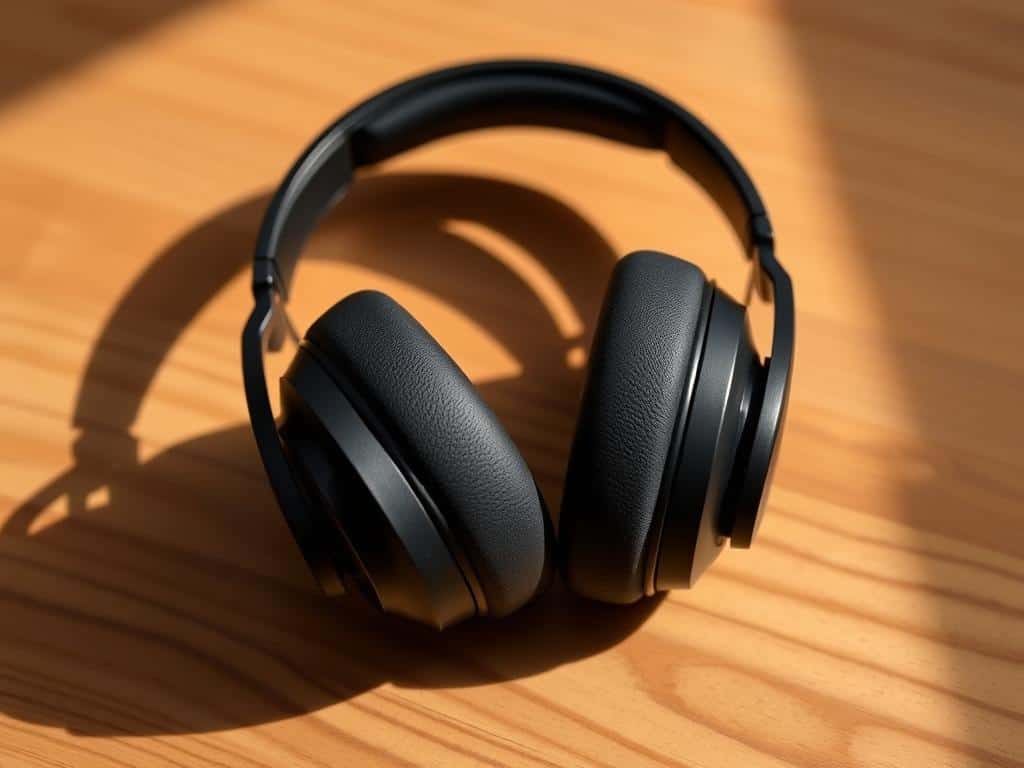
Noise-isolating technology, also known as passive noise cancellation, is key for better audio experiences. It works by using the design and materials of headphones to block out external sounds. When fitted right, these headphones can greatly cut down on ambient noise. This makes the sound quality better and adds to the comfort.
How Noise Isolating Headphones Work
Noise isolating headphones use designs like snug ear cups or earbuds to block noise. They fit tightly around the ear or in the ear canal. Materials like silicone ear tips and memory foam help block sound better and feel more comfortable.
These headphones don’t need batteries, so they’re easy to use anywhere. This makes them a great choice for anyone looking for a simple yet effective way to enjoy music or podcasts.
Benefits of Noise Isolation
Noise-isolating headphones are great for places with lots of background noise, like offices or buses. They let you listen to music or podcasts without distractions, helping you focus better. Plus, they don’t need batteries, so they’re more energy-efficient.
They offer a comfortable fit and block out noise well. This makes them a top pick for anyone wanting a straightforward yet engaging audio experience.
Exploring Noise Canceling Technology
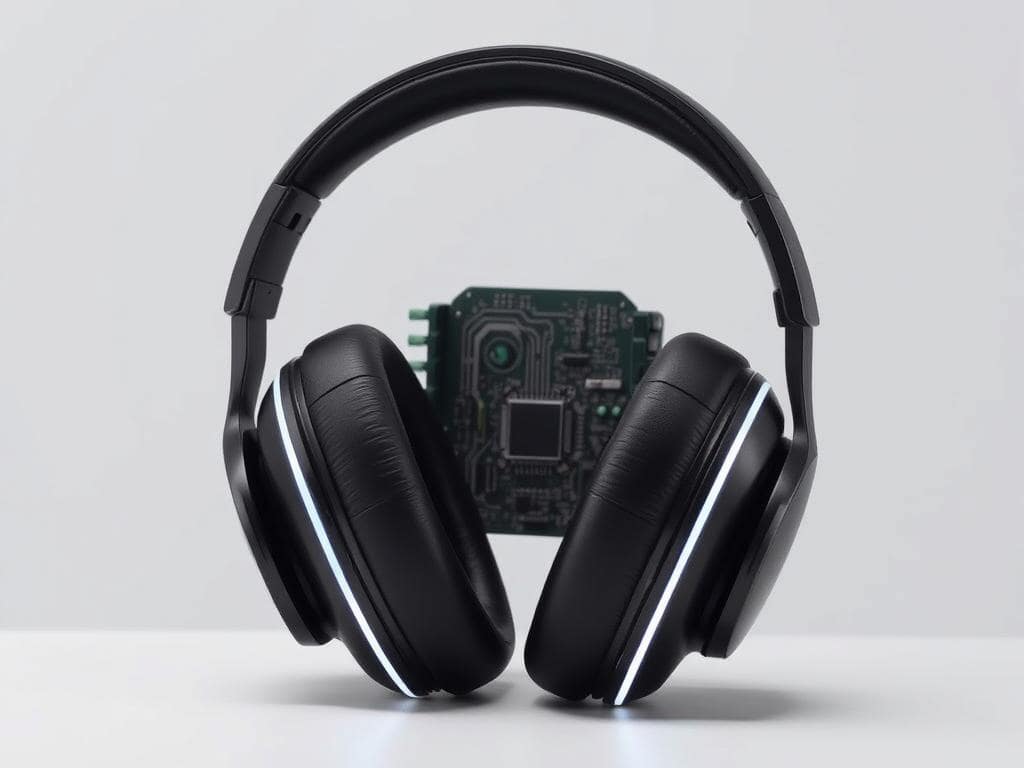
Sound technology has advanced a lot, making noise-canceling tech more popular. It’s different from old methods because it uses built-in microphones to find ambient sounds. Then, it makes sound waves that cancel out the noise, which is great for places with constant sounds like traffic.
Active Noise Canceling Explained
Active noise canceling headphones use special electronics to find and block sounds. They make sound waves that are opposite to the noise, so you can listen to music or podcasts without distractions. This technology is key for a better audio experience, thanks to brands like Bose.
Advantages of Noise Canceling Headphones
ANC headphones are good for your ears in loud places. They let you listen at a safe volume without raising it to block out noise. Many models also have a transparency mode, so you can choose how much outside sound to hear. For example, House of Marley’s Positive Vibration XL ANC Wireless Headphones offer a great listening experience.
Noise-Isolating Headphones: A Closer Look
Knowing the difference between noise isolation and noise cancellation helps pick the right headphones. Both improve your listening experience but in different ways. Noise isolating headphones block sound with a physical barrier. Noise-canceling headphones use electronics to fight off external noise.
Comparison of Noise Isolation and Noise Cancellation
It’s key to understand what each technology does best. Noise isolation works by fitting snugly to block out sounds. It’s great at stopping high-pitched noises. On the other hand, noise cancellation is better at handling low sounds, like airplane engines.
While noise-canceling headphones might win in some cases, noise isolating headphones have their own strengths. They’re a good choice when you need a simple, effective solution.
Situations Best Suited for Each Technology
Noise cancellation is best for places with constant noise, like cities or planes. Noise isolation is better for quieter spots. For example, they’re great for short trips or casual use.
They don’t need batteries, making them easy to carry and often cheaper. In loud industrial areas, heavy-duty noise isolating headphones are a must. Choosing between these depends on your needs and where you’ll use them.
Conclusion
It’s important to know the difference between noise-isolating and noise-canceling headphones. Each type has its own benefits for different situations and tastes. For example, noise-isolating earbuds block out mid to high-frequency sounds by 15dB to 30dB. They don’t need batteries, making them a budget-friendly choice.
Noise-canceling earbuds, on the other hand, use Active Noise Cancellation (ANC) to cut out up to 95% of background noise. They work best against low sounds like airplane hums and traffic. But, they cost more because of their tech and battery needs. It’s key to think about comfort and sound quality when picking.
Choosing the right headphones depends on what you need. Knowing the strengths of each type helps me enjoy music more, whether I’m at home or on the go. Making an informed choice is easier when I understand the options.