Did you know that, as of 2018, civil aviation caused about 2.4% of global CO2 emissions? This is a big problem, and it’s why we need new ways to fly that are better for the planet. Electric planes are a big step towards making air travel cleaner.
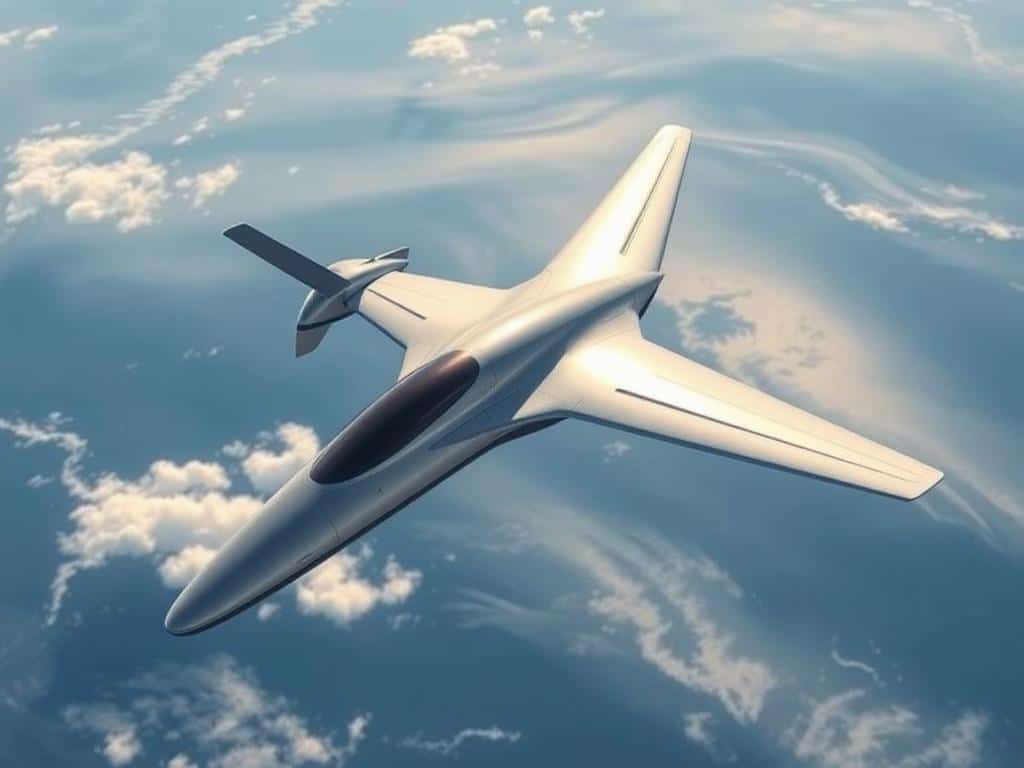
I’m excited to share the latest news on electric planes. Projects like NASA’s X-57 Maxwell and Rolls Royce’s Spirit of Innovation are leading the way. They show us how flying can be greener. With more people wanting to travel in a way that’s good for the planet, and governments investing in this tech, the future looks bright.
Let’s dive into the progress of electric aircraft and what it means for flying in the future.
Key Takeaways
- Electric planes are key to reducing CO2 emissions in aviation.
- Innovative projects like NASA’s X-57 Maxwell showcase advancements in electric aircraft technology.
- The demand for eco-friendly flying continues to grow, driven by climate awareness.
- Government investments are critical for electric aviation’s progress.
- Electric aircraft can greatly reduce air travel’s carbon footprint.
The Emergence of Electric Aircraft in Sustainable Aviation
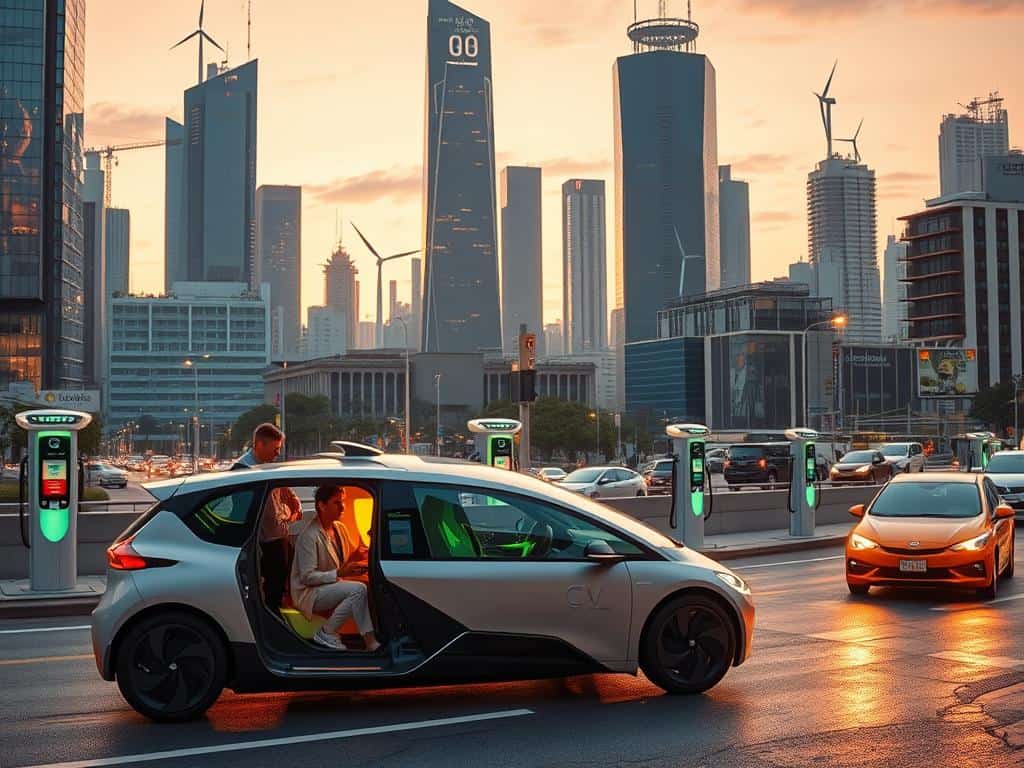
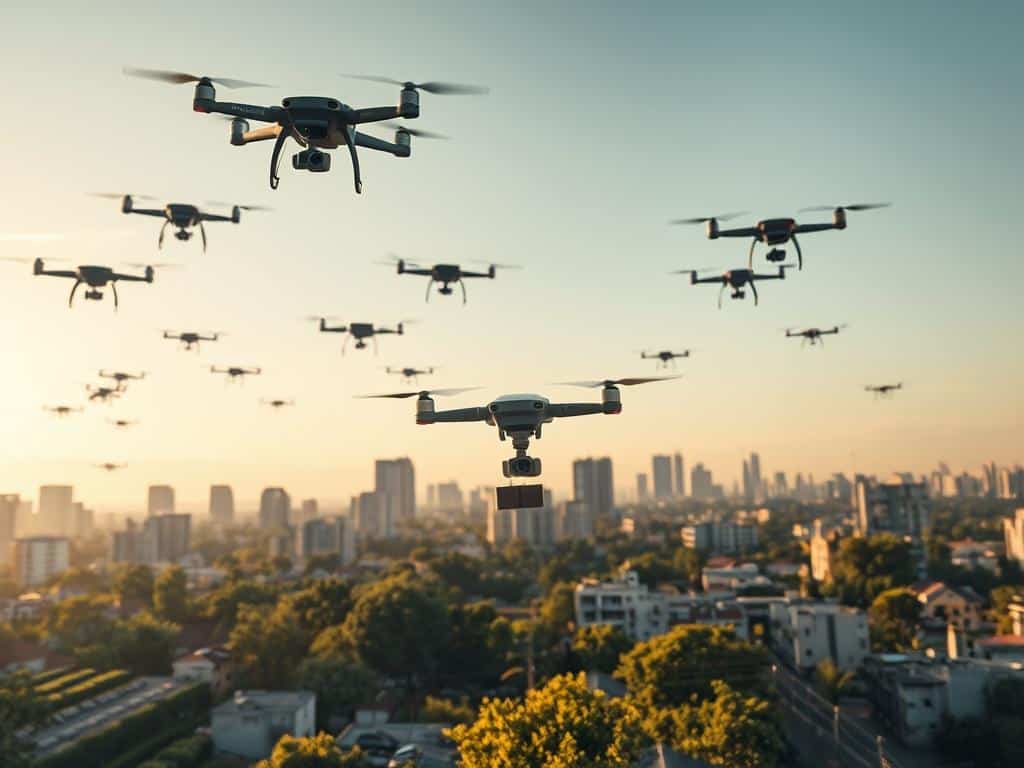
Electric aircraft are changing the way we fly, making air travel greener. Traditional planes can’t cut carbon emissions enough. But electric vertical takeoff and landing (eVTOL) planes offer a new hope. They’re making flying in cities more efficient and eco-friendly.
These planes are part of a big push to reduce air travel’s impact on the environment. It shows a strong commitment to making flying better for our planet.
Current Innovations in Electric Plane Technology
Over 150 electric plane prototypes are being worked on worldwide. Advances in battery tech have boosted energy density by 50% in ten years. This means electric planes can fly longer, overcoming a big challenge.
There are different types of electric planes, like eVTOLs for city skies and eCTOLs for longer trips. This variety shows electric planes can meet many needs in aviation.
Key Players in the Electric Aviation Sector
About 349 companies are involved in electric aviation, from making to engineering. Leaders like Joby Aviation, Archer Aviation, and Lilium are getting big investments. They’re working to make flying in cities cleaner.
Hybrid planes are also making a big difference. They can cut CO2 emissions by up to 76% compared to gas planes. This shows the whole aviation world is working together to be carbon neutral by 2050.
Challenges Facing Electric Planes
Exploring the future of electric aviation, I find big hurdles to overcome. A key issue is the current battery technology. It doesn’t match the energy of traditional aviation fuels like kerosene.
To power electric planes, batteries are too heavy. They weigh more than an Airbus A320 can carry by 38 times. This makes long-distance electric flights seem unlikely.
Battery Technology Limitations
The aviation industry is a big source of greenhouse gases. Single-aisle and regional planes cause 41% of emissions. Electric or hybrid-electric planes are promising for short trips under 500 km.
But, we need better batteries. Even with improvements, electric planes might only fly up to 280 km. They could carry about 90 passengers. So, we need to make batteries better for electric air travel.
Infrastructure Requirements for eVTOLs
There’s another big challenge: we need good infrastructure for electric planes. This includes charging stations and takeoff points. It requires a lot of money from both private and public sectors.
Without the right infrastructure, electric vertical takeoff and landing aircraft won’t work. We need to invest in these facilities. It’s key for electric aviation to succeed and help the environment.

The Role of Hybrid Aircraft in Eco-Friendly Flying
Hybrid aircraft are seen as a key step towards making flying more eco-friendly. They use both traditional jet fuel and electric power. This mix makes flying more efficient and cuts down on harmful emissions.
These systems are great because they work well in different parts of a flight. This could make airlines switch to greener flying sooner.
Companies like Rolls-Royce are leading the way with new tech. They’ve made small turbogenerators that can switch between fuel types. This shows how hybrid planes can be a stepping stone to more sustainable flying.
Hybrid aircraft are not just for big flights. They work well for regional and short trips too. Their ability to cut down on pollution makes them important for reaching zero carbon emissions in flying by 2050.
Conclusion
Exploring eco-friendly flying, we see a bright future for electric and hybrid planes. The hurdles of battery tech and infrastructure are big, but progress is being made. This progress could greatly cut down the aviation industry’s carbon emissions.
In 2018, flying emitted over 1 billion tonnes of CO2. This shows we need to act fast to make flying greener. Sustainable Aviation Fuels (SAF) are helping, cutting emissions by up to 80%.
But, SAF is expensive to make and we need more of it. Without big changes, flying emissions could grow to 1.8 billion tonnes. This is a clear warning for the industry and governments to work together.
Investing in better batteries and urban air travel is key. We must work towards a future where flying is green. This way, our skies will stay clear and our planet safe for future generations.