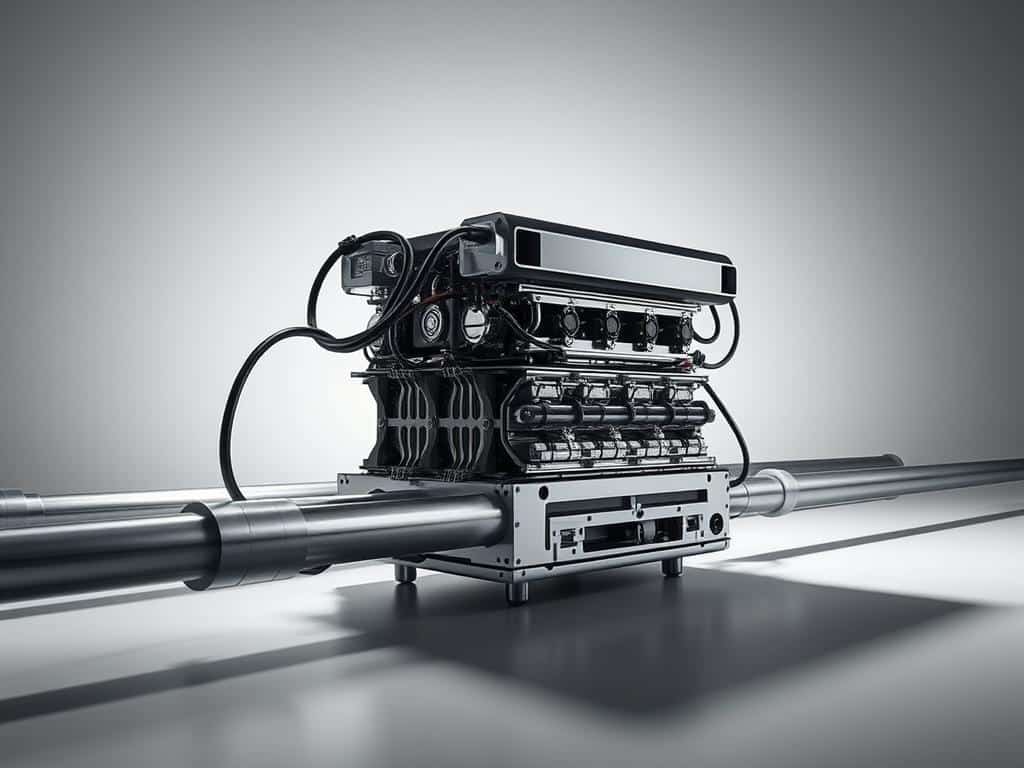
Did you know Toyota’s chairman, Akio Toyoda, thinks hydrogen and internal combustion engines could be big? He believes they might take over 70% of the market. This is interesting as we look into green transportation.
Hydrogen fuel cells are becoming a big deal. They offer a green option and can go really far. For example, the Toyota Mirai can travel 400 miles on one tank of hydrogen. But, we face big hurdles like infrastructure and cost.
In this article, we’ll explore how hydrogen cars might beat electric vehicles. We’ll look at the journey towards sustainable fuel in green tech.
Key Takeaways
- Hydrogen fuel cells are gaining traction as a viable alternative to electric vehicles.
- The Toyota Mirai showcases the impressive 400-mile range.
- Current infrastructure for hydrogen fueling stations is limited, even in the UK.
- Hydrogen’s emission-cutting power is huge if made green.
- The cost of green hydrogen is expected to drop a lot in the next decade.
The Rise of Hydrogen Cars in Sustainable Transportation
The world of green transportation is changing fast, with hydrogen cars leading the way. They use hydrogen fuel cells to make electricity, leaving only water vapor behind. This makes them a top choice for those looking for cleaner ways to move around.
Introduction to Hydrogen Cars
Hydrogen cars are no longer just a dream; they’re hitting the roads today. They turn hydrogen into power very efficiently, beating traditional cars in energy use. Cars like Toyota’s Mirai and Hyundai’s Nexo are showing up in dealerships, making them a part of our green future.
These cars could also save you money in the long run. Their fuel efficiency means lower costs over time, making them even more appealing.
Industry Support for Hydrogen Technology
Big names in the car world are backing hydrogen technology big time. Companies like Toyota and BMW are pouring money into making hydrogen cars better. Their efforts are key to making hydrogen cars more common, despite the high costs of making and using them.
With more support and new tech, hydrogen cars are set to make a big difference. They’re helping us move towards a cleaner, greener future, one drive at a time.
Understanding Hydrogen Fuel Cells
Hydrogen fuel cells are becoming a key player in green transportation. They mix hydrogen gas with air oxygen, making electricity and water vapor. This clean method makes them a strong choice against old fossil fuels.
Their benefits for cars are huge. They boost efficiency and cut down on emissions. This makes them a hot topic in research and car making.
What are Hydrogen Fuel Cells?
Hydrogen fuel cells turn chemical energy into electricity. They are super reliable, with rates up to 99.9999%. This means they almost never break down, needing just a minute every six years.
They beat electric cars in refueling speed and range. FCEVs can go 312 to 380 miles before needing a refill. This is great for long trips.
Comparison with Electric Technologies
Hydrogen fuel cells and electric cars have their own pluses and minuses. Electric cars face long charging times and big environmental impacts from battery making. But, hydrogen fuel cells might offer better performance in some cases.
They can be up to 85% efficient in certain systems. This shows each tech has its own benefits. But, hydrogen’s green fuel and reliability keep it in the spotlight.
Advantages and Challenges of Hydrogen Cars
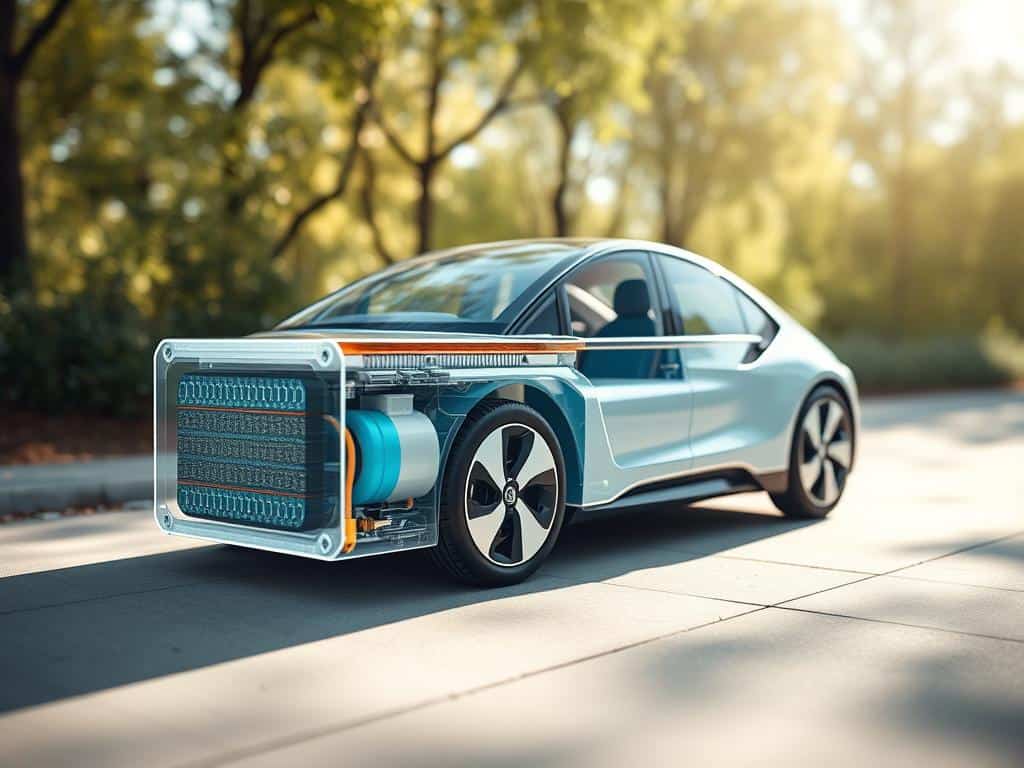
Hydrogen cars have big pluses, like quick refueling and long drives. Refueling takes just 5 to 10 minutes, unlike electric cars that take hours. They can go 400 to 600 miles on a single fill-up, making long trips easy.
But, there are hurdles like limited refueling spots and high costs. Europe has only 178 stations, making it hard for many to use them. Also, hydrogen cars are pricier than electric ones, which might scare off buyers.
Conclusion
Exploring hydrogen cars shows a lot of promise but also big challenges. Hydrogen fuel cells are very efficient, with rates over 60%, and they don’t pollute. They could be a better choice than electric cars, but we need better infrastructure and lower costs.
Hydrogen and electric techs working together could lead to cleaner travel options. As I learn more about hydrogen fuel, I see how important it is to make it cheaper and better. The U.S. Department of Energy is leading efforts to improve fuel cells and get more cars using them.
The future of fuel depends on building good infrastructure, lowering costs, and using both hydrogen and electric cars. This could change how we travel and help our planet and energy needs.