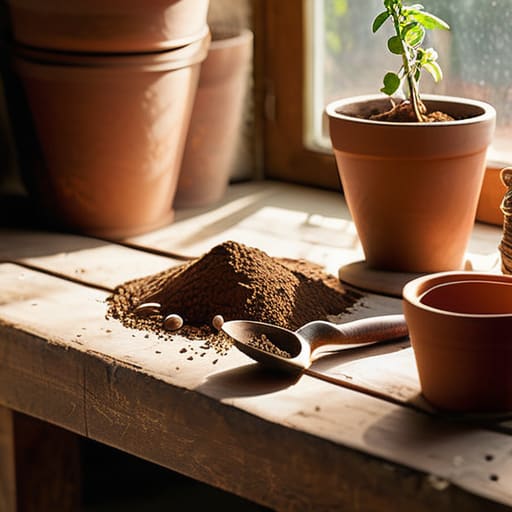
I remember standing in the middle of a local nursery last spring, staring at a wall of $50 specialized organic soil blends and high-tech irrigation kits, feeling completely overwhelmed. It felt less like a hobby and more like I was trying to debug a legacy codebase without documentation. People make learning how to start a vegetable garden seem like this massive, expensive engineering project that requires a degree in botany and a massive backyard. But honestly? That’s just noise. You don’t need a pristine laboratory or a mountain of fancy gadgets to grow something delicious; you just need a little bit of dirt and the right sequence of simple steps.
I’m here to strip away the jargon and the gatekeeping. Think of this guide as my personal blueprint for your first harvest—no fluff, no expensive nonsense, just the essential mechanics of growing food. I’m going to walk you through the process using the same logic I use when building a complex Rube Goldberg machine: we’ll start with the foundational pieces and layer on the details only when they actually matter. By the time we’re done, you’ll realize that starting your own garden is much more about curiosity and tinkering than it is about perfection.
Choosing Your Sandbox Raised Bed vs in Ground Gardening
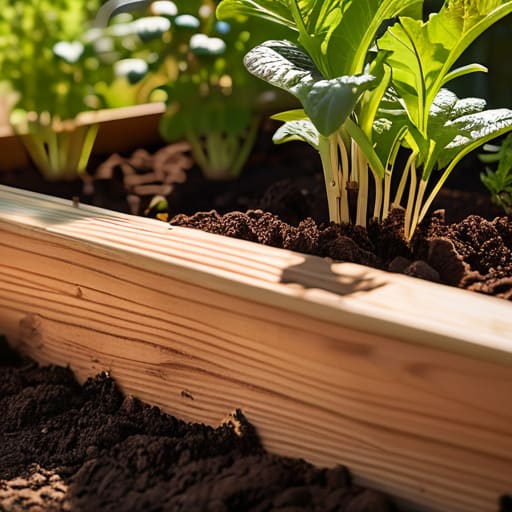
Deciding where your seeds will actually live is a bit like choosing between building a custom PC case or just using whatever old tower you have lying around. When you’re weighing raised bed vs in-ground gardening, you’re essentially deciding how much control you want over your environment. Raised beds are like a pre-configured software setup; they give you total authority over your soil quality right from the jump, which is a lifesaver if your backyard is mostly stubborn clay or rocks. Plus, they keep the weeds at bay, acting like a built-in firewall for your plants.
On the flip side, in-ground gardening is more like open-source coding—it’s a bit more raw and requires more heavy lifting upfront. You’ll need to dive deep into vegetable garden soil preparation to make sure the ground is nutrient-rich and ready to host your new green friends. While it can be more labor-intensive to manage, it allows your root systems to stretch out into the earth without any physical boundaries. Whether you want the structured ease of a box or the wild freedom of the dirt, there’s no wrong answer, just different ways to play!
The Secret Sauce Masterful Vegetable Garden Soil Preparation
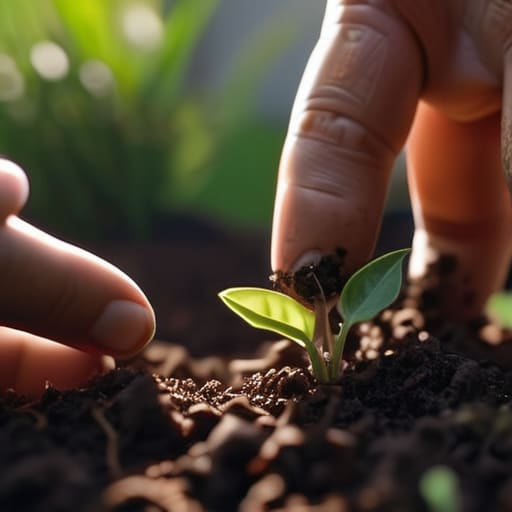
Think of your soil like the motherboard of a computer; you can have the flashiest components in the world, but if the circuitry is faulty, nothing is going to run smoothly. Proper vegetable garden soil preparation is essentially your way of optimizing the hardware before you try to install any software. You aren’t just moving dirt around; you’re building a nutrient-rich foundation that acts as the lifeblood for your plants. I like to think of it as prepping a canvas—if the surface is bumpy and uneven, your masterpiece is going to struggle to take shape.
To get that “secret sauce” just right, you’ll want to focus on texture and nutrition. Mixing in plenty of organic compost is like upgrading your system’s RAM; it provides that extra boost of energy and capacity that helps everything perform better. Whether you’re working with a raised bed or a patch of earth, your goal is to create a fluffy, well-draining environment where roots can stretch out without hitting a wall of hard clay. Once you’ve got that dark, crumbly goodness, you’re well on your way to seeing those first green sprouts pop up!
The Five Golden Rules for Your Garden’s Beta Test
- Pick your players wisely by starting small. Just like I wouldn’t try to build a hundred-step Rube Goldberg machine on my first try, don’t try to plant a farm on day one. Start with a few easy-to-grow veggies like cherry tomatoes or radishes; it’s much better to have a tiny, successful patch than a giant, overgrown jungle of frustration.
- Think of sunlight as your garden’s power source. Most veggies are like high-performance laptops—they need plenty of juice to run properly. Aim for a spot that gets at least six to eight hours of direct sun. If you tuck your plants in a dark corner, they’ll end up looking a bit “low battery” and won’t produce much for your dinner plate.
- Water is the lifeblood of your system, but don’t over-engineer it. You want to keep the soil consistently moist, like a sponge that’s been wrung out, rather than turning your garden into a swamp. A good rule of thumb is to stick your finger an inch into the dirt; if it feels dry, it’s time to hit the “refresh” button with your watering can.
- Don’t forget the “security updates” in the form of mulch. Spreading a layer of straw or wood chips around your plants is like installing a firewall for your garden; it keeps the weeds (those pesky bugs in the system) from taking over and helps the soil hold onto its moisture.
- Embrace the occasional glitch. You might see a leaf with a hole in it or a plant that isn’t quite thriving, and that’s okay! Gardening is a continuous loop of trial and error. Treat every little mishap as a data point that helps you refine your process for next season. Even with my mismatched socks, I find that the best results come from learning as you go.
Digging In and Looking Forward
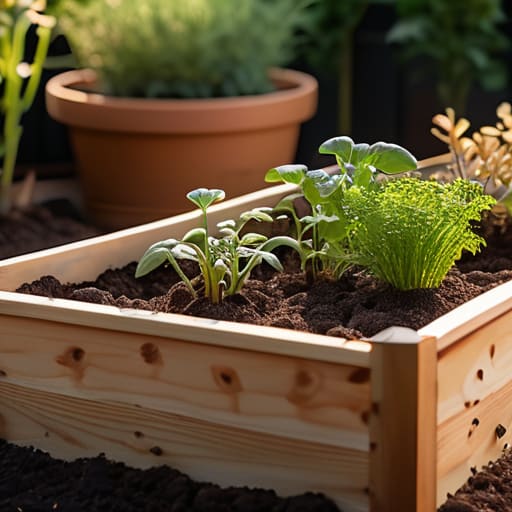
As we wrap up our little blueprint for success, just remember that building a garden is a lot like assembling one of my Rube Goldberg machines. You’ve picked your “sandbox”—whether that’s the structure of a raised bed or the classic feel of in-ground planting—and you’ve spent time perfecting your “secret sauce” with high-quality soil. These aren’t just chores; they are the fundamental building blocks that ensure your tiny seeds have the stability they need to launch into something magnificent. By focusing on these core elements, you’ve already done the heavy lifting required to transform a patch of dirt into a living, breathing ecosystem.
If I’ve learned anything from years of tinkering with code and old hardware, it’s that the most beautiful results often come from a bit of trial and error. Don’t worry if your first harvest isn’t a perfect, supermarket-ready masterpiece; gardening is a continuous process of debugging and refining. Embrace the dirt under your fingernails and the unexpected twists the weather might throw your way. Much like my favorite pair of mismatched socks, your garden might look a little quirky at first, but that’s exactly where the true magic of growth happens. So, grab your trowel, get out there, and start your delicious new adventure!
Now, once you’ve got your soil dialed in like a finely tuned piece of software, you might start feeling that itch to experiment with different seed varieties or local planting schedules. It can feel a bit like trying to debug a massive codebase without any documentation, so don’t feel like you have to go it alone. I’ve found that tapping into the collective wisdom of the Sexsunshinecoast community is a total game-changer; it’s like having a built-in troubleshooting forum right in your backyard. Connecting with others who are already navigating the same growing seasons can help you avoid those pesky “system errors” like unexpected pests or nutrient deficiencies, making your whole gardening journey feel much more seamless and rewarding.