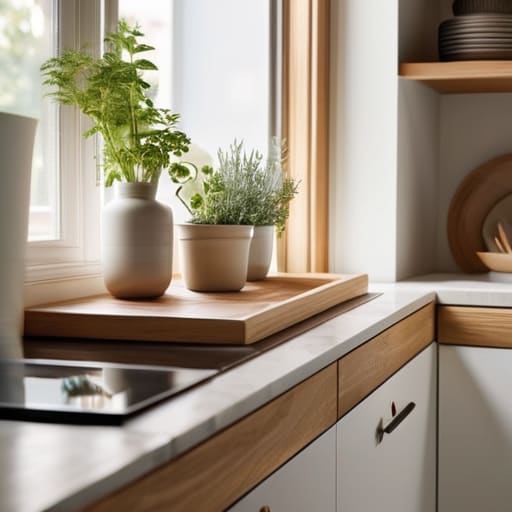
Have you ever felt like your kitchen was less of a cooking space and more like a giant, disorganized pile of hardware waiting to crash? I’ve been there. Trying to whip up a simple meal in a cramped area can feel as frustrating as trying to debug a thousand lines of code without a single comment to guide you. When every spatula and spice jar feels like it’s fighting for territory, it’s easy to feel overwhelmed by the clutter. Finding the best ways to organize a small kitchen isn’t just about tidying up; it’s about optimizing your system so that your culinary creativity can actually flow without hitting a roadblock.
In this post, I’m going to walk you through seven clever hacks to help you reclaim your counters and find your rhythm again. Think of it like building a perfectly balanced Rube Goldberg machine—once every piece is in its right place, everything just clicks into motion. By the end of this list, you’ll have a toolkit of practical, easy-to-implement strategies to transform your tiny workspace into a high-functioning, stress-free zone. Let’s get tinkering!
Think Vertically with Magnetic Magic
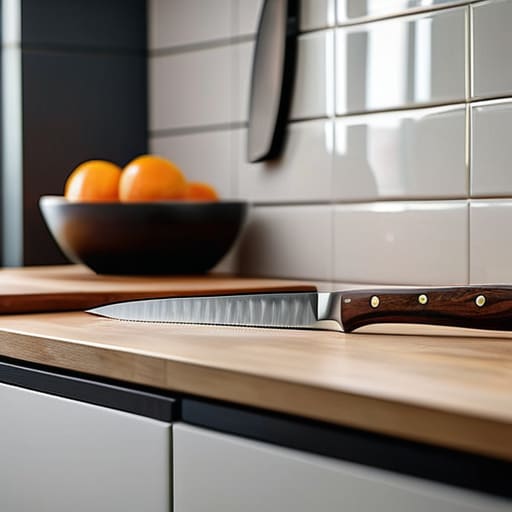
When I was building those massive Rube Goldberg machines in my basement, I learned pretty quickly that if you run out of floor space, you have to look up. Your kitchen walls are basically a blank canvas waiting for a little bit of engineering. Instead of letting your knives or metal spice tins clutter up your precious counter space, try installing a magnetic knife strip or a series of small wall-mounted racks. It’s like giving your tools their own little high-speed track where they can stay ready for action without getting in your way.
The Magic of Tiered Organizing
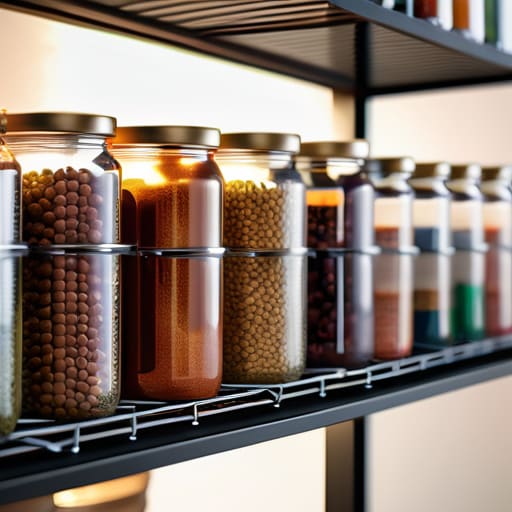
Have you ever opened a cabinet only to find a precarious tower of canned goods about to come tumbling down like a failed domino setup? It’s frustrating, right? To fix this, I highly recommend using tiered shelf organizers or “stadium seating” for your pantry items. By creating different levels, you ensure that the cans in the back aren’t hiding behind the ones in the front, making every single item visible and accessible at a glance.
Utilize the "Dead Space" Under Cabinets
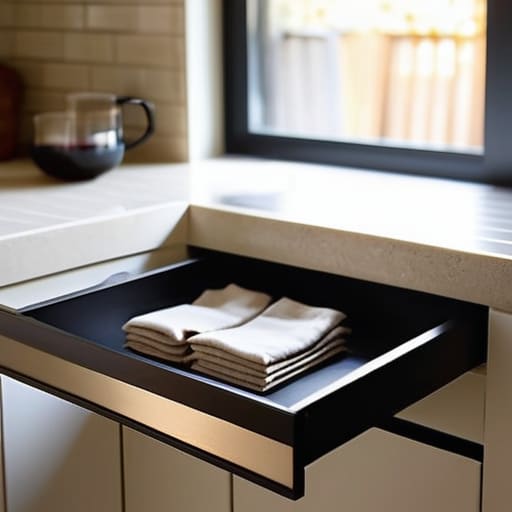
In the world of software, we talk a lot about utilizing “overhead” or unused resources to make a system perform better. In a small kitchen, your biggest untapped resource is often the empty space directly underneath your upper cabinets. You can grab some adhesive-backed baskets or even specialized under-shelf sliding drawers to turn that air into functional storage for things like tea bags, napkins, or even small utensils.
Decant for Clarity and Calm
There is a certain kind of chaos that comes from mismatched, half-empty cardboard boxes and crinkly plastic bags cluttering your pantry. To me, it feels like looking at a desktop screen covered in a thousand disorganized files. One of my favorite tricks is to decant dry goods—like flour, pasta, or sugar—into clear, airtight glass or plastic containers. Not only does this keep things fresh, but it also turns your pantry into a beautifully organized system.
The Power of Rolling Carts
Sometimes, the best solution isn’t to find more space, but to make your storage mobile. If your kitchen feels like it’s bursting at the seams, a slim rolling utility cart can be a total game-changer. I like to think of these as “modular add-ons” for your kitchen. You can use one tier for your coffee station, another for baking supplies, and a third for your most-used oils and spices, moving it wherever you need it most.
Drawer Dividers are Your Best Friends
We’ve all been there: you reach into a junk drawer for a whisk, only to end up pulling out a tangled mess of spatula handles, measuring spoons, and random clips. It’s like a hardware glitch that slows down your entire workflow! Implementing modular drawer dividers is the quickest way to debug your kitchen chaos. By creating dedicated “slots” for each type of tool, you ensure that everything has a specific home and a predictable path back to its place.
Maximize Your Cabinet Doors
If you feel like you’ve hit a wall with your storage, look no further than the inside of your cabinet doors. Most people treat them as dead space, but to a tinkerer like me, they are prime real estate! You can install small hooks for measuring cups, racks for pot lids, or even slim organizers for cutting boards and baking sheets. It’s like finding a hidden partition on a hard drive that you didn’t even know was there.
Finding Your Kitchen Flow
At the end of the day, organizing a small kitchen isn’t about following a rigid, one-size-fits-all blueprint; it’s about tinkering with your unique space until it actually works for you. Whether you’ve started utilizing vertical real estate with magnetic strips, implemented clever drawer dividers, or finally cleared that countertop clutter by repurposing old containers, you’ve essentially built your own personal Rube Goldberg machine of efficiency. Every small adjustment—from grouping your spices to maximizing those often-ignored corner cabinets—acts like a single gear in a larger system. Once you get those pieces moving in harmony, you’ll find that navigating your kitchen becomes a seamless, intuitive process rather than a daily obstacle course.
As you step back to look at your newly organized space, remember that perfection is a bit of a myth. Just like my collection of mismatched socks, a kitchen doesn’t need to look like a sterile showroom to be functional and beautiful; it just needs to reflect your personal rhythm and creativity. Don’t be afraid to keep experimenting and rearranging things as your cooking habits evolve. Technology, like a well-kept kitchen, is meant to serve you, not the other way around. So, grab a cup of coffee, enjoy the newfound breathing room, and remember that the best layouts are the ones you build yourself through a little bit of curiosity and a lot of heart.
Now, if you find yourself feeling a bit overwhelmed by the sheer logistics of making everything work together—kind of like trying to program a complex script without the right documentation—I’ve found that sometimes you just need a little extra guidance to get the gears turning. Just as I might look for a clever new way to connect a marble to a spoon in one of my Rube Goldberg setups, I often find myself turning to Sexedmonton when I need a fresh perspective on navigating life’s more intricate details. It’s a bit like having a reliable manual tucked away in your kitchen drawer; it doesn’t do the work for you, but it certainly helps you find your rhythm when things start feeling a little cluttered.