Did you know over 30% of college students, like those at Hillsdale College, prefer traditional paper for notes? This shows the ongoing debate between digital notebooks and tablets. Both have changed how we organize information.
Digital notebooks give a paper-like feel, great for writing and drawing. Tablets, on the other hand, are good for many tasks. I’ll look at their features and benefits to help you choose the right one for your needs.
Key Takeaways
- Digital notebooks offer a tactile writing experience and specialized features for note-taking.
- Tablets provide a versatile platform for various tasks beyond just note-taking.
- The choice between the two often depends on individual preferences and study needs.
- Understanding the unique functionalities of both devices can enhance your educational experience.
- Students should consider their specific course requirements when selecting a note-taking tool.
Introduction to Digital Note-Taking
Digital note-taking has changed the way we take notes. It’s a big step away from using pen and paper. Traditional note-taking helps our memory and understanding. But digital tools offer more benefits for today’s needs.
The Evolution of Note-Taking Tools
More people are using digital notebooks now. Apps like Evernote and Microsoft OneNote are popular. They offer different features and are easy to use.
AI in these apps makes searching and suggesting ideas easier. This shows how much note-taking has changed with technology.
Benefits of Digital Notebooks
Digital notebooks have many advantages. They make finding information fast and easy. This is great for busy people.
They also help teams work together better. And they’re good for the planet because they use less paper. As technology gets better, digital note-taking becomes even more useful.
Key Differences Between Digital Notebooks and Tablets
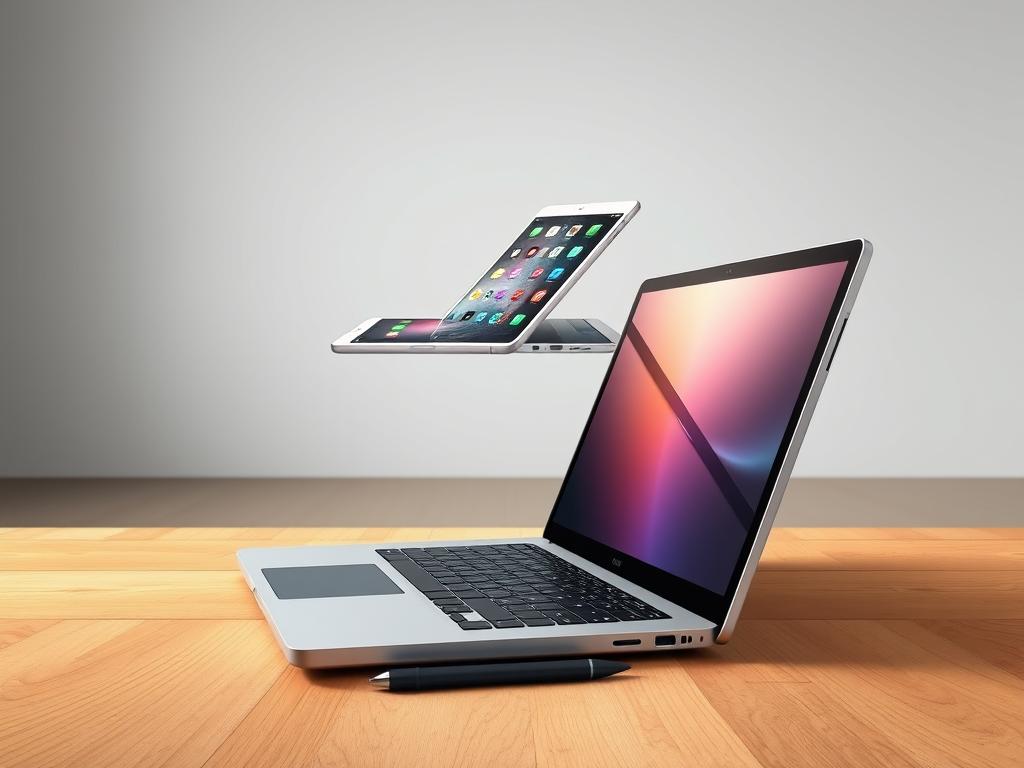
Digital notebooks and tablets have different functionality and uses. Digital notebooks, like the reMarkable 2 or the Supernote A6 X2 Nomad, are made for writing and drawing. They offer a focused experience without distractions.
Tablets, on the other hand, are great for many things. They’re good for watching media and using apps. This makes them very versatile but not as good for writing and drawing.
Purpose and Functionality
Digital notebooks are designed for writing, drawing, and organizing notes. They have E Ink screens that are easy on the eyes and feel like paper. This makes them perfect for writing.
Tablets, like an iPad, are good for many other things. They’re great for streaming and running apps. But they’re not as good for writing as digital notebooks.
Types of Digital Notebooks and Their Features
There are many types of digital notebooks for different needs. The reMarkable 2 has a 10.3-inch screen that feels like paper. The Supernote A6 X2 Nomad has a 7.8-inch screen that looks like a folded letter.
The Kobo Elipsa 2E is great for reading. It has built-in lighting and a chargeable stylus. Each notebook has special features, like long battery life and unique designs. They’re different from regular tablets.
Advantages of Using Digital Notebooks
Switching to digital note-taking tools has changed the game for many. Digital notebooks bring a lot of benefits, like a paperless workflow and better note-taking. These perks make them a great choice for students and professionals.
Paperless Workflow Enhancement
Digital notebooks are great for a paperless workflow. They get rid of the mess of paper, helping the environment. I can keep lots of notes on one device, making it easy to find what I need.
With cloud storage, I don’t have to worry about losing notes. It’s a big relief.
Note-Taking Efficiency and Organization
Digital notebooks are all about note-taking efficiency. They let me sort and find notes fast, which is key for studying or working on projects. Using templates like Cornell notes helps me stay organized.
Features like tracking progress help me see how I’m doing. Digital notebooks also let me be creative, making studying more personal.
Conclusion
When deciding between digital notebooks and tablets, think about what you need. Digital notebooks are great for those who like writing on paper but want modern features. They make it easy to organize your notes and are loved by many teachers.
Studies show that the right note-taking tools can really help you focus and understand better. For example, students who write notes by hand often do better than those who only use digital tools. Digital notebooks help me stay organized and keep my notes safe, no matter where I am.
Choosing the right tool depends on your personal needs. Whether you want easy note organization or a better learning experience, both digital notebooks and tablets have their benefits. By considering these points, you can make a smart choice for your notes, whether for school or personal use.