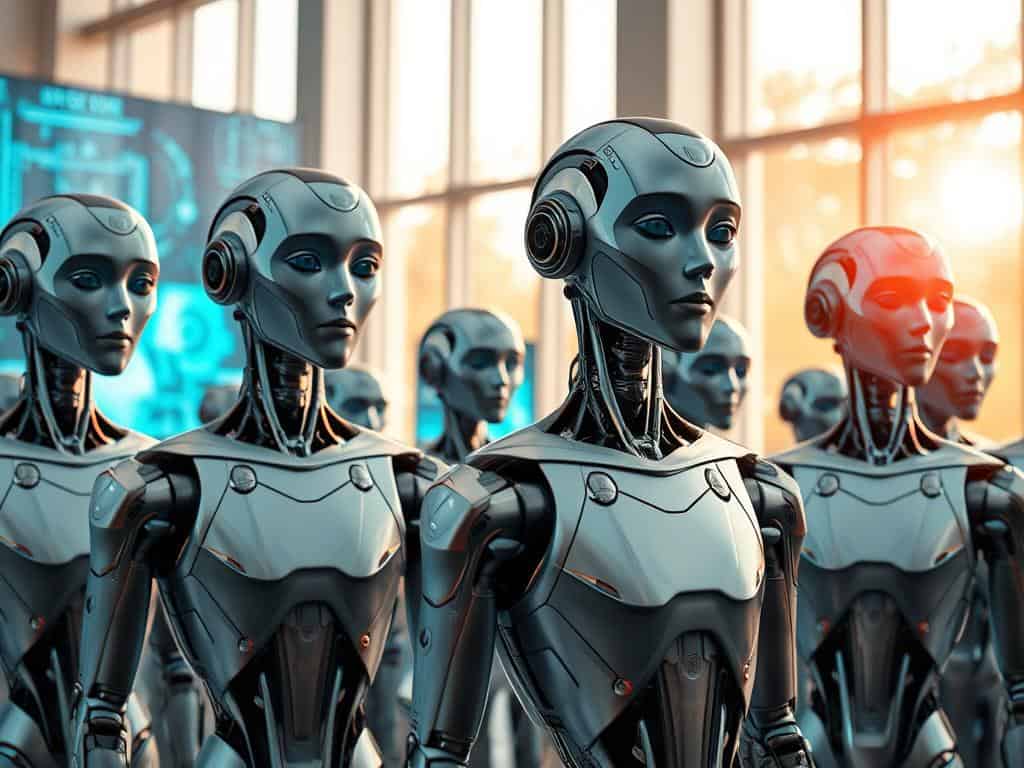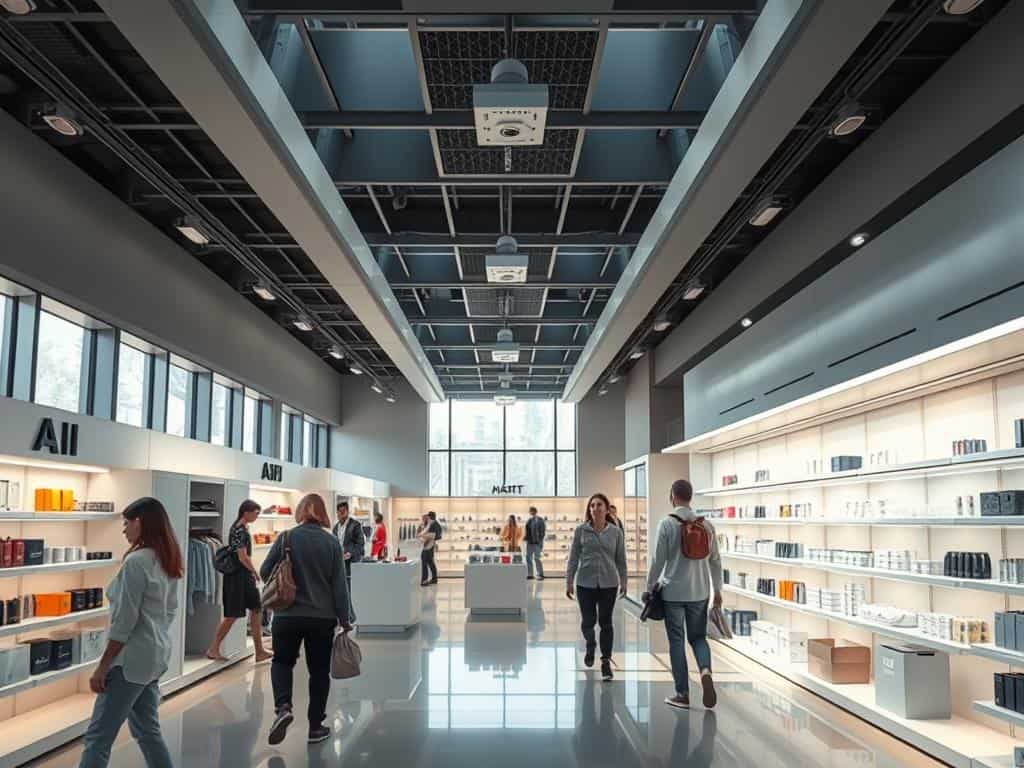
Did you know 43% of people like self-checkout better than regular lanes? This shows a big change in how we shop, wanting things faster. Automation in retail is changing shopping, making stores without cashiers. Brands like Amazon Go use AI to make buying easier and better.
As stores switch, we see big changes in how they work and how they talk to customers. This opens up talks about jobs and the future of shopping.
Key Takeaways
- 43% of shoppers favor self-checkout systems over traditional checkout lanes.
- Automation in retail can reduce labor costs by up to 20%.
- The global AI in retail market is projected to grow from $5 billion in 2021 to over $31 billion by 2028.
- Autonomous checkout systems can operate continuously, allowing for longer store hours.
- Privacy concerns are growing due to the extensive customer data collected in cashierless environments.
Understanding the Shift to Cashierless Stores
The retail world is changing fast. People want shopping to be quick and easy. A study by PYMNTS shows 80% of shoppers want a hassle-free shopping experience. This is why cashierless technology is becoming popular, making shopping smoother and more enjoyable.
The Role of Cashiers in Traditional Retail
Cashiers play a big role in traditional retail. They help with payments and answer questions. They also build relationships with customers, making shopping better. But, more stores are looking into cashierless tech for its benefits.
Emergence of Cashierless Technology
Cashierless tech is getting more attention. It includes self-checkout kiosks and automated payment systems. Stores like Amazon are using “Just Walk Out” tech, which uses cameras and sensors for payments.
This tech meets shoppers’ needs for quick, easy shopping without losing service quality. While it costs a lot to set up, the savings and efficiency make it worth it for many stores.
Automation in Retail: The Impact on Jobs and Customer Experience
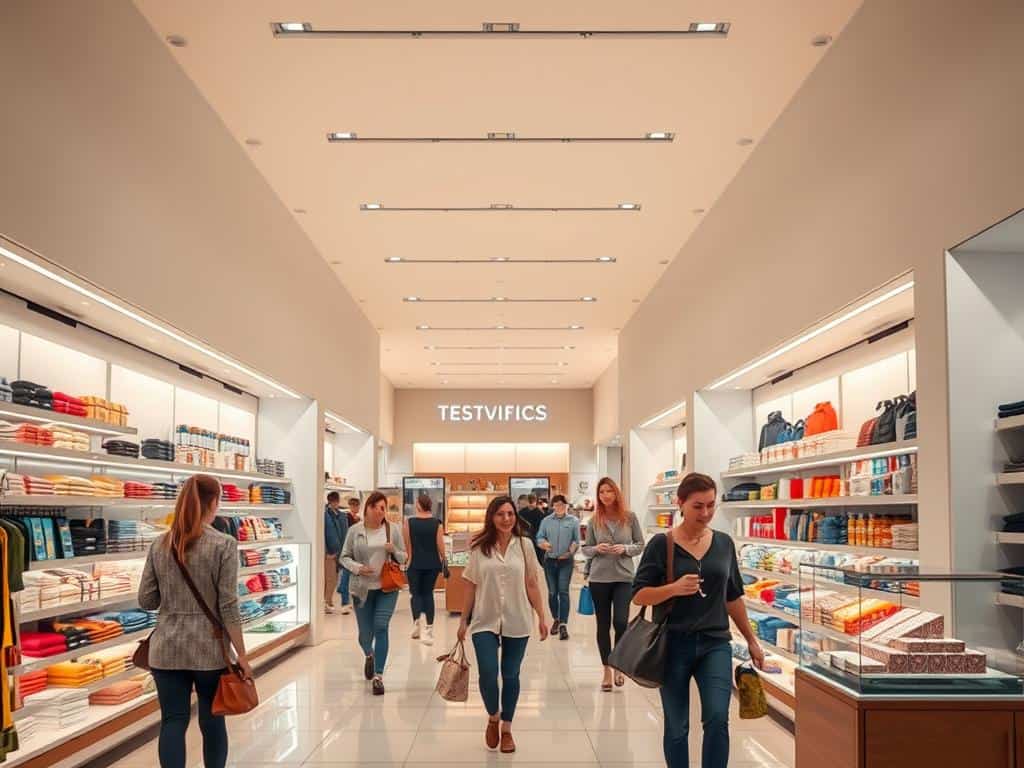
The rise of automation in retail is changing the game. It affects jobs and how customers experience shopping. New AI solutions are making stores work differently, bringing both challenges and chances for growth.
Job Displacement in the Retail Sector
Automation is a big worry for jobs in retail. Studies say about 50% of retail tasks can be automated today. Even though only 5% of jobs can be fully automated, many hours of work could be cut.
Jobs like cashiers are at risk, hitting young and less educated workers hard. Stores are looking for ways to save money, often by cutting jobs.
Enhancements in Customer Experience
But automation isn’t all bad news. It makes shopping better for customers. AI helps stores work faster, cutting down wait times and improving service.
Stores that use these techs see happier customers and keep them coming back. This is good for their business.
Technological Innovations Driving Change
New tech is key to this change. Stores using automation can work 55 to 65% less. This lets them use their money better and grow faster.
Robotic process automation (RPA) makes work more efficient and better for customers. As more stores use these tools, new jobs will be created, changing the job market.
Conclusion
The world of retail is changing fast, thanks to AI and automation. Cashiers, once key to customer service, are now adapting to new tech. This shift aims to make shopping easier and more efficient.
The global retail automation market is growing fast. It was worth USD 24.12 billion in 2023 and is expected to grow even more. This shows how quickly we’re adopting new technologies.
Automation might worry some about job losses. But, only about 5% of retail jobs can be fully automated. This means many jobs will stay the same, while new ones in tech and data analytics will appear.
Stores like Walmart and Amazon are showing how automation can improve customer service. It makes shopping better and saves money. This changes how we shop in the future.
Finding a balance between new tech and social challenges is key. The retail world needs to stay flexible and ready for change. This way, it can offer unique shopping experiences to customers.