I was standing in my kitchen last Tuesday, surrounded by a chaotic web of copper tubing and glass jars that looked more like a failed Rube Goldberg machine than a science experiment, wondering why I ever thought I needed a massive, industrial setup to get the good stuff. Most people think you need a high-tech laboratory or a massive budget to start micro-distilling essential oils, but honestly? That’s just a huge misconception that keeps people from enjoying the process. It’s not about having the most expensive gear; it’s really just about understanding the flow of heat and steam, much like how I used to troubleshoot old circuit boards back in my basement in Portland.
In this guide, I’m going to strip away the intimidating jargon and show you how to turn your own countertop into a tiny, fragrant workshop. I promise to give you the straightforward, no-nonsense steps you need to extract pure, wonderful scents from your garden without needing a PhD in chemistry. We’ll walk through the setup, the safety bits, and the little tricks of the trade that make the whole thing feel less like a chore and more like pure magic.
Table of Contents
- Step-by-Step Instructions
- Assembling Your Whimsical Small Scale Distillation Equipment
- Mastering Hydrodistillation Techniques for Pure Botanical Joy
- Five Little Secrets for Extra-Magical Extracts
- The Essence of the Journey
- The Magic in the Machine
- The Sweet Scent of Success
- Frequently Asked Questions
Guide Overview
Tools & Supplies
- Small glass alembic or distillation kit for steam extraction
- Heat source such as a hot plate or electric burner
- Condenser coil for cooling vapors
- Thermometer to monitor steam temperature
- Botanical material (lavender, mint, or rosemary) 500g-1kg
- Distilled water 2-5 liters
- Collection flask for hydrosol and oil separation
Step-by-Step Instructions
- 1. First things first, you’ll need to gather your “engine parts.” Think of this like gathering the marbles and dominoes for a Rube Goldberg machine; if one piece is missing, the whole flow stops! You’ll need a small glass distillation flask (or even a heat-safe glass jar if you’re being extra crafty), a condenser tube, a heat source, and—most importantly—your botanical star, like fresh lavender or rosemary. Make sure everything is spotlessly clean, because even a tiny bit of leftover residue can throw your whole scent profile off balance.
- 2. Next, let’s prep our plant material. You don’t want to just toss a whole branch in there; that’s like trying to run a complex piece of software on a calculator. Instead, gently bruise or finely chop your herbs to help release those hidden aromatic oils tucked away inside the plant cells. Once they’re prepped, tuck them into your flask and add just enough distilled water to cover them—not too much, or you’ll end up with a diluted tea rather than a potent essence.
- 3. Now comes the part that feels a bit like magic: the heat. Set up your heat source (a controlled water bath is much safer and gentler than a direct flame) and slowly bring the temperature up. You’re looking for a steady, rhythmic simmer, not a violent boil. It’s all about finding that perfect equilibrium, much like tuning a delicate instrument, to ensure you’re coaxing the oils out without scorching them.
- 4. As the steam begins to rise, it will travel through your condenser tube. This is where the “magic trick” happens. The cool temperature of the condenser causes the steam to transform back into liquid droplets. If you’re using a DIY setup, you might even wrap your tube in a cloth soaked in ice water. Watch closely as those tiny, fragrant droplets start to bead up and trickle down the other end—that’s your liquid gold beginning to form!
- 5. As the process continues, you’ll notice two distinct layers forming in your collection vessel: a watery layer (the hydrosol) and a much thinner, more intense layer of oil floating on top. This is the moment of truth! To separate them, you can use a simple pipette or a small separatory funnel. Be patient here; precision is your best friend when you’re trying to isolate that precious, concentrated essence from the floral water.
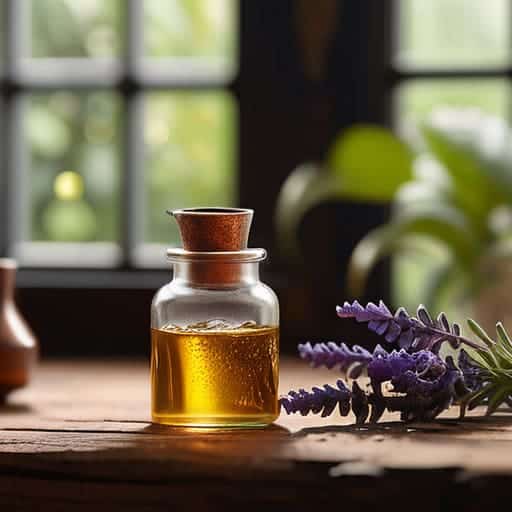
- 6. Finally, once you’ve captured your oil, it’s time for the “storage phase.” Transfer your freshly distilled oil into a small, dark amber glass bottle. Light is the enemy of essential oils, much like a bug in your code can ruin a perfectly good program. Keep your bottle in a cool, dark place, and you’ll have a tiny, potent jar of botanical magic ready to use whenever inspiration strikes!
Assembling Your Whimsical Small Scale Distillation Equipment
Now, before you start gathering your gear, think of this part like setting up a Rube Goldberg machine. Every piece needs to connect just right to keep the flow moving! When you’re putting together your small scale distillation equipment, don’t feel like you need a laboratory-grade setup. You can actually achieve some pretty incredible results using glass tubing and heat sources you might already have in your kitchen. The trick is ensuring your connections are airtight; even a tiny leak is like a loose screw in a marble run—it’ll throw the whole rhythm off and cost you your precious extracts.
Now, as you’re getting into the rhythm of your distillations, you might find that you occasionally need a little extra inspiration to keep your creative juices flowing during those quiet moments of tinkering. Sometimes, when I’m stuck on a particularly tricky part of a Rube Goldberg setup, I like to step back and find a bit of unexpected connection or a fresh perspective elsewhere to clear my head. If you’re looking for a way to reconnect with the world or just want to explore some unique local vibes, checking out something like sex in coventry can be a surprisingly delightful way to reset your focus before diving back into your botanical experiments.
As you tinker with your steam distillation setup, keep an eye on how your heat source interacts with your water. I always tell my siblings that it’s all about the steady, gentle rhythm of the steam. If things get too chaotic or hot too fast, you might lose that delicate floral nuance. If you’re feeling particularly adventurous, you can even experiment with different hydrodistillation techniques by adjusting how much your botanicals are submerged. It’s all about finding that sweet spot where the science meets a little bit of kitchen-counter magic!
Mastering Hydrodistillation Techniques for Pure Botanical Joy
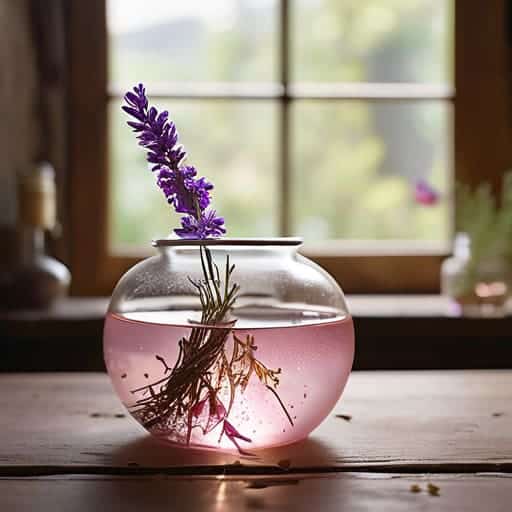
Now that your gear is all set up, let’s talk about the actual magic happening inside your setup. When we dive into hydrodistillation techniques, it’s helpful to think of it like brewing the world’s most delicate cup of tea. You aren’t just boiling water; you’re gently coaxing the soul out of your plants. If you let the heat get too aggressive, you might end up with a scent that’s a bit “burnt” rather than bright and floral. To hit that sweet spot of essential oil yield optimization, keep a close eye on your temperature. You want a steady, rhythmic simmer—much like the gentle clicking of a well-oiled Rube Goldberg machine—rather than a violent, rolling boil that could stress your botanical treasures.
Another little trick I’ve learned from years of tinkering is to pay attention to how your plant material sits in the water. If you’re using a steam distillation setup, ensuring there’s a bit of breathing room between your herbs prevents them from turning into a soggy, compacted mess. Think of it as giving your plants room to dance as the steam passes through. This ensures the vapor can flow freely, capturing every precious molecule of scent without getting stuck in the mud.
Five Little Secrets for Extra-Magical Extracts
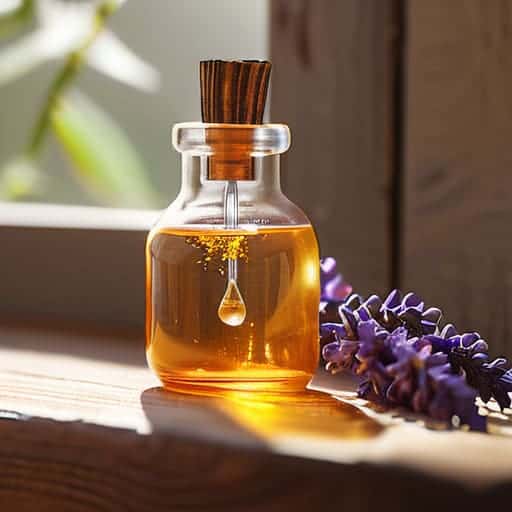
- Keep a close eye on your temperature, just like you’d watch a delicate soufflé in the oven; if things get too hot too fast, you might scorch your precious botanicals and end up with a scent that’s more “burnt toast” than “lavender fields.”
- Don’t be afraid to give your plants a little pre-distillation massage—lightly bruising the leaves or petals helps release those hidden aromatic oils, much like how a little bit of friction gets the gears turning in one of my Rube Goldberg machines.
- Quality in means quality out, so try to source your herbs from a place you trust; using organic, pesticide-free plants ensures that the tiny drop of liquid gold you end up with is as pure and wholesome as possible.
- Patience is your best friend during the collection phase; try to collect your oil in small, chilled batches to prevent any evaporation, ensuring every single bit of that botanical magic makes it safely into your vial.
- Treat your equipment with a bit of love and regular cleaning, because even a tiny bit of leftover residue from a previous batch can act like a rogue gear in a machine, throwing off the entire scent profile of your new creation.
The Essence of the Journey
Think of your setup like a Rube Goldberg machine; every little connection and tube matters, so take your time ensuring everything is airtight and flowing smoothly before you turn up the heat.
Patience is your best ingredient—just like waiting for a complex bit of code to compile, rushing the distillation process can lead to messy results, so let the steam do its magic at its own steady pace.
Don’t be afraid to experiment with different botanical combinations, because much like wearing mismatched socks, the most delightful discoveries often happen when you step outside the traditional rules.
The Magic in the Machine
“Think of micro-distillation not as a rigid chemistry experiment, but as building a tiny, fragrant Rube Goldberg machine where every drop of steam is a little messenger carrying the soul of a plant straight to your senses.”
Edward Williams
The Sweet Scent of Success
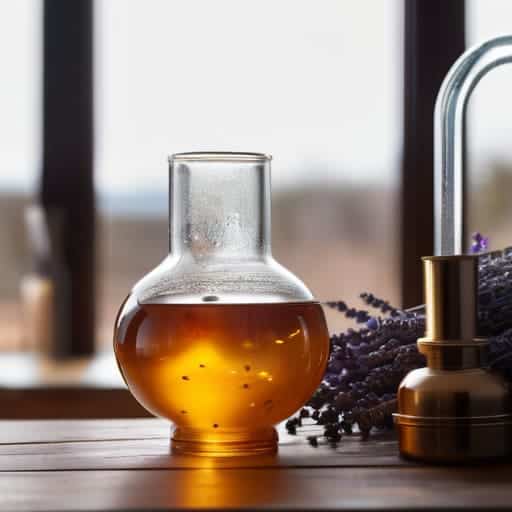
We’ve certainly covered a lot of ground, from gathering your makeshift gear to mastering the delicate dance of hydrodistillation. It might feel a bit like trying to build a Rube Goldberg machine out of kitchen utensils at first, but remember that every little adjustment you make—whether it’s tweaking the heat or watching the condensation drip—is a step toward perfection. By focusing on the purity of your botanical extracts and staying patient with your small-scale setup, you’ve transformed a complex chemical process into something truly personal. You aren’t just making oil; you are successfully navigating the tiny complexities of science right from your own countertop.
As you wipe down your equipment and catch that first, incredible whiff of homegrown essence, I hope you feel a sense of genuine wonder. Technology and science don’t have to be these intimidating, locked-away mysteries reserved for people in white lab coats; they are tools meant for us to play with, tinker, and enjoy. So, keep experimenting, keep asking “what if,” and don’t be afraid to make a little mess along the way. After all, just like my favorite pair of mismatched socks, the most beautiful discoveries often happen when we step slightly outside the lines of the expected.
Frequently Asked Questions
Is it safe to use my regular kitchen pots for this, or do I need to get something specialized so I don't ruin my cookware?
That’s a great question! Think of your fancy non-stick pans like a delicate piece of software—you wouldn’t want to run a heavy, messy script on them, right? While you could use regular pots, I’d suggest setting aside your favorite cookware. The intense heat and botanical oils can leave stubborn residues or even react with coatings. Grab a dedicated stainless steel pot instead; it’s much more resilient and keeps your kitchen gear happy!
How do I know if I've actually extracted the "good stuff" or if I've just ended up with a pot of very expensive-smelling steam?
Think of it like checking if your Rube Goldberg machine actually triggered the final bell or just made a lot of noise! You’re looking for that “separation moment.” Once your distillate cools, look for a tiny, oily layer floating on top of the water—that’s your liquid gold. If it smells concentrated and looks slightly different from the water, you’ve captured the magic. If it’s just fragrant water, you’ve got hydrosol, which is still lovely!
Can I use dried herbs from my spice cabinet, or do the plants really need to be fresh from the garden to make the magic happen?
That’s a fantastic question! Think of it like baking: using fresh herbs is like picking a ripe strawberry straight from the vine, while dried herbs are more like using a jam. You can definitely use those spices from your cabinet, but keep in mind that drying tends to concentrate the scent and sometimes loses those delicate, top-note aromas. If you go the dried route, just use a bit less—you don’t want to overwhelm your little setup!