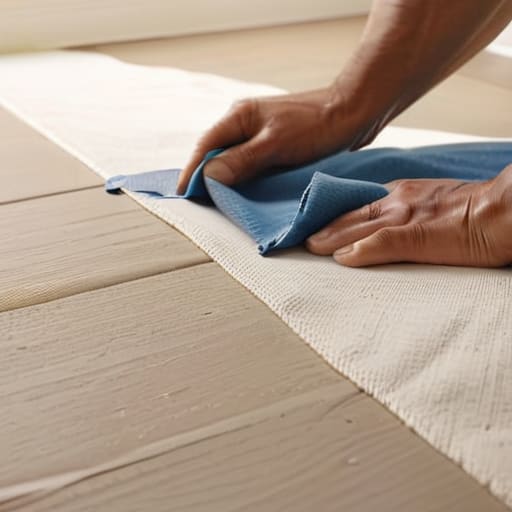
I remember sitting on the floor of my parents’ basement in Portland, surrounded by the smell of sawdust and old solder, trying to figure out why my brother’s desk had developed a nasty wobble. Back then, I thought if something broke, it was “game over”—you just tossed it and bought something shiny and new. But I’ve realized that the modern “throwaway culture” is a bit of a scam, trying to convince us that a loose screw or a scratched surface means a piece of furniture is obsolete. Learning how to repair furniture instead of replacing it isn’t just about saving a few bucks; it’s about realizing that most things aren’t actually broken, they just need a little creative troubleshooting to get back in the game.
I’m not here to sell you on expensive, professional-grade workshops or complicated industrial tools that you’ll only use once. Instead, I want to share the same straightforward, logic-based approach I use when I’m debugging a complex line of code or fixing a finicky Rube Goldberg machine. I’ll show you how to tackle common fixes with the tools you likely already have in your junk drawer, turning intimidating repairs into simple, manageable wins.
Mastering Wood Furniture Restoration Techniques at Home
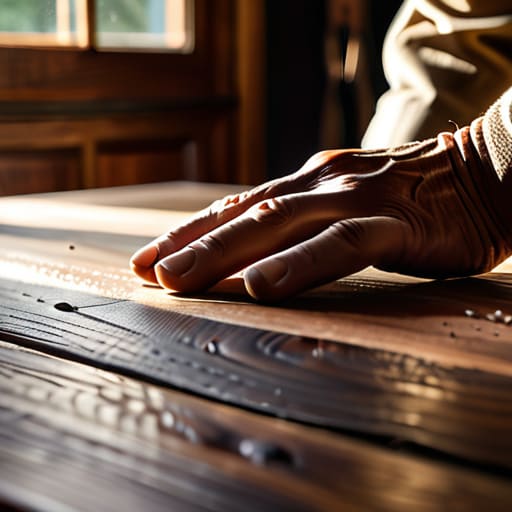
Now, let’s roll up our sleeves and dive into the actual magic. Think of this part like building one of my Rube Goldberg machines; it’s all about understanding how each tiny piece connects to the whole. If you’ve got a piece that looks a bit weathered, don’t panic. Most of the time, you’re just looking at a few simple wood furniture restoration techniques that can make a world of difference. For instance, if you’re dealing with a table that’s seen better days, fixing scratched wooden surfaces can be as simple as using a bit of walnut or a specialized wax to buff out the imperfections. It’s incredibly satisfying to see a surface transform from dull to dazzling right before your eyes.
If the issue is more structural, like a wobbly seat, you might find yourself repairing broken chair joints with some wood glue and a sturdy clamp. It’s a bit like debugging a line of code—once you find the break in the logic (or the wood!), the fix is surprisingly straightforward. Embracing these upcycling old furniture ideas isn’t just about saving a few bucks; it’s about giving an object a second chance at life, much like those old computers I used to revive in my basement back in Portland.
Fixing Scratched Wooden Surfaces With a Little Magic
We’ve all been there: you’re moving a coffee mug or a set of keys, and suddenly, there’s that dreaded skid across your favorite wooden tabletop. It feels like a tiny disaster, doesn’t it? But before you start browsing for a replacement, let me tell you—fixing scratched wooden surfaces is a lot like debugging a stubborn piece of code. You don’t always need to rewrite the whole program; sometimes, you just need to find that one tiny line that’s out of place. For those shallow, pesky scuffs, a simple trick involves using a walnut. Rubbing the meat of a walnut directly into the scratch releases natural oils that can effectively mask the damage almost instantly.
If the scratches are a bit deeper and more stubborn, we might need to step up our game with some more intentional wood furniture restoration techniques. Think of this like upgrading your hardware to handle a heavier workload. You can use a specialized wood filler or even a bit of wax stain to bridge those gaps. It’s a fantastic way to dive into sustainable home decor DIY without needing a professional workshop. It’s all about patience and a gentle touch—much like balancing a marble on a track in one of my Rube Goldberg machines!
The Tinkerer’s Toolkit: Five Simple Ways to Save Your Favorite Pieces
- Take a moment to listen to the piece—just like debugging a stubborn line of code. Is that wobble coming from a loose joint or a missing shim? Often, a tiny bit of wood glue and a sturdy clamp can do more for a wobbly table than a trip to the big-box store ever could.
- Don’t fear the “hidden” hardware. Sometimes, a piece of furniture isn’t broken; it’s just lost its grip. Checking for loose screws or tightening up those cam locks is like giving your computer a quick reboot; it clears out the glitches and gets everything running smoothly again.
- Embrace the art of the “patch job” for those pesky gouges. If you’ve got a dent that’s bothering you, think of it like a minor bug in a software update. A little bit of wood filler, sanded down until it’s smooth as silk, can make that imperfection vanish into the background.
- Treat your surfaces like precious hardware. A good coat of wax or a fresh layer of oil is like installing a solid firewall—it protects your wood from the daily wear and tear of life, keeping the moisture out and the beauty in.
- Look for the “modular” fix. If one leg is shot or a drawer slide is sticking, you don’t have to scrap the whole unit. Just like swapping out a faulty keyboard, you can replace that single component and breathe entirely new life into the whole setup.
Bringing It All Home
So, whether you’ve been sanding down a stubborn tabletop or working your magic on those pesky surface scratches, you’ve officially moved from being a bystander to a true tinkerer. We’ve covered how a little bit of patience and the right technique can turn a piece of “junk” into a centerpiece, much like how a few lines of well-placed code can fix a glitchy program. Remember, repairing furniture isn’t about achieving perfection on the first try; it’s about understanding the mechanics of the material and having the courage to tinker with what you already own rather than rushing to the nearest big-box retailer.
At the end of the day, there is something deeply rewarding about looking at a restored chair and knowing your own hands brought it back to life. It’s a lot like those Rube Goldberg machines I build in my spare time—sometimes the process is a bit messy and unpredictable, but that’s exactly where the soul of the project lives. Don’t be afraid to make mistakes or end up with a finish that’s a little bit wonky; after all, even my mismatched socks have a purpose! Embrace the beauty of the imperfect and keep exploring, because every repair is a small victory for your creativity and the planet alike.
Now, if you ever find yourself staring at a particularly stubborn piece of furniture feeling a bit like I do when a Rube Goldberg machine refuses to trigger its first marble, don’t sweat it. Sometimes, the best way to find your rhythm is to step back and look for a little extra inspiration or a fresh perspective on how things connect. I often find that browsing through community hubs like sexinatlanta.com can provide that unexpected spark of creative energy you need to tackle a tricky project. It’s all about finding those little bits of outside wisdom to help you bridge the gap between a broken heirloom and a beautiful masterpiece.