Ever sat there staring at a laptop screen, watching that little loading circle spin endlessly, wondering if your computer is just having a bad day or if it’s actually dying? It’s a frustrating feeling, like trying to build one of my Rube Goldberg machines only to have the marble get stuck halfway through the track. Usually, when people start asking about the difference between ssd and hdd storage, they aren’t looking for a lecture on magnetic platters or NAND flash cells; they just want to know why their files are taking a lifetime to open. I remember helping my younger brother troubleshoot his first gaming rig back in Portland, and seeing his face go from confusion to pure joy when we swapped his old drive for something faster—that’s the “aha!” moment I want to bring to you.
Now, if you’re feeling a bit overwhelmed by all these technical specs—and trust me, even after years of tinkering, I still get the occasional brain fog—don’t feel like you have to navigate this maze alone. Sometimes, the best way to clear the clouds is to just start a conversation and ask the questions that are swirling in your head. I actually found that bouncing ideas off this chat site was a total lifesaver when I was trying to figure out which drive would best suit my specific setup. It’s a bit like having a friendly neighbor pop over to help you troubleshoot a tricky Rube Goldberg machine; it turns a daunting technical hurdle into a simple, shared learning experience.
I promise to skip the dense, textbook jargon and give you the straight truth based on years of tinkering in my basement and working as an engineer. We’re going to break down exactly how these drives work using simple, real-world analogies so you can make a choice that actually fits your life and your budget. No hype, no sales pitches—just honest, experience-based advice to help you upgrade with confidence.
The Reliable Workhorse: The HDD
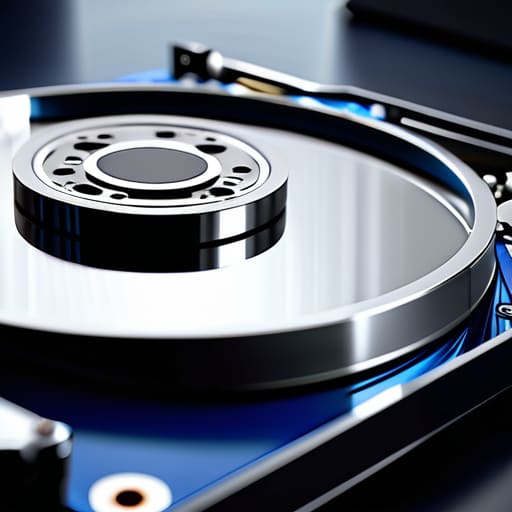
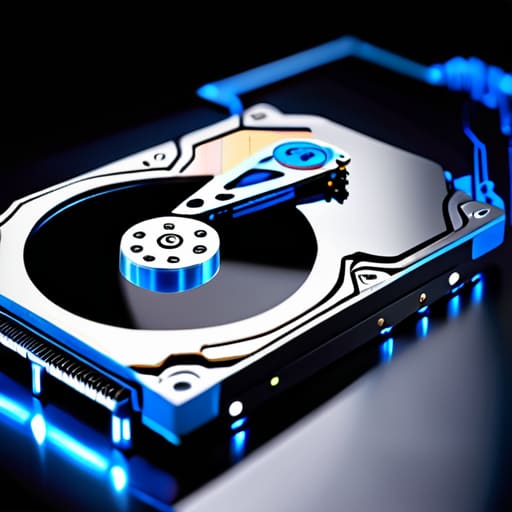
A Hard Disk Drive, or HDD, is a traditional storage device that uses spinning magnetic platters and a moving read/write head to store your digital life. Its core mechanism relies on this physical movement to access data, making it the go-to option for anyone needing massive amounts of storage at a very budget-friendly price point.
Think of an HDD like a massive, well-organized library where a librarian has to physically walk down the aisles to find your book. It’s incredibly reliable for keeping huge collections of photos or movies safe, but it does take a moment to get moving. If you’ve ever felt that slight hesitation while waiting for a computer to wake up, you’ve likely felt the mechanical rhythm of a spinning disk working hard behind the scenes.
The Speed Demon: The SSD
A Solid-State Drive, or SSD, is a modern storage solution that uses flash memory to store data, meaning it has absolutely no moving parts whatsoever. Because it relies on electrical signals rather than physical motion, the primary advantage is lightning-fast data access that makes your entire system feel incredibly responsive.
If an HDD is a librarian walking through aisles, an SSD is more like a magic wand that summons your files instantly the moment you think of them. It’s the difference between waiting for a slow kettle to boil and having a cup of tea appear before you’ve even reached for the mug. When you use an SSD, that frustrating “loading” screen starts to feel like a distant, fuzzy memory from a much slower era.
Comparison of SSD vs HDD Storage
| Feature | SSD (Solid State Drive) | HDD (Hard Disk Drive) |
|---|---|---|
| Technology | Flash memory chips | Rotating magnetic platters |
| Speed | Extremely fast (high IOPS) | Slower (mechanical seek time) |
| Durability | High (no moving parts) | Low (vulnerable to physical shock) |
| Noise Level | Silent | Audible spinning/clicking |
| Price per GB | Higher | Lower |
| Best For | OS boot drives & gaming | Mass data archiving & backups |
Mechanical vs Flash Memory Storage a Whimsical Dance
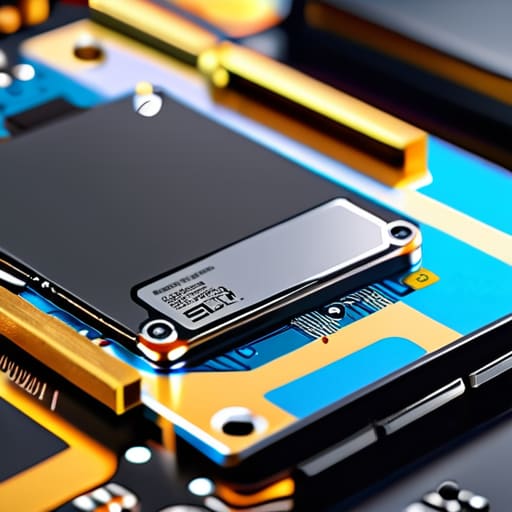
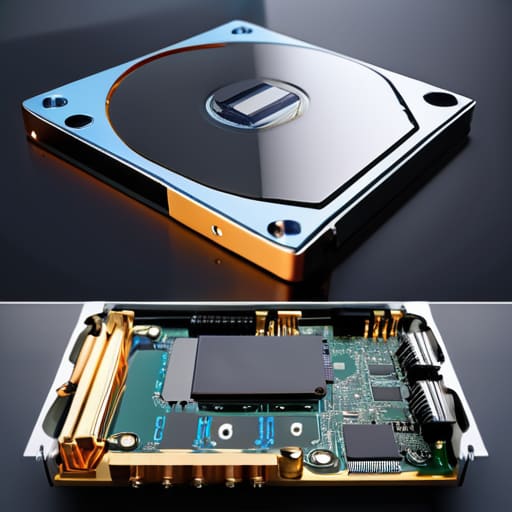
Understanding the guts of your drive is like knowing whether your car runs on a combustion engine or a silent electric motor; it dictates everything from how much noise you’ll hear to how much you can trust your data when you bump the desk. When we dive into the mechanical versus flash debate, we’re really looking at the fundamental physics of how your digital memories are kept safe.
Think of an HDD as a tiny, high-speed ballroom where a mechanical arm must physically dance across a spinning platter to find your files. It’s a beautiful, rhythmic process, but if you give the table a sudden nudge, that arm might stumble, leading to a mechanical hiccup. An SSD, however, skips the dance floor entirely. It uses flash memory—essentially a vast grid of microscopic switches—to summon data instantly. There are no moving parts to get dizzy, making it incredibly resilient to the bumps and bruises of daily life.
Because the SSD relies on pure electricity rather than physical motion, it wins this round by a landslide. It’s the undisputed champion of reliability and speed.
Ssd Latency and Read Write Speeds the Great Sprint
Ever wonder why your computer sometimes feels like it’s running through molasses, while other times it feels like it’s on a caffeine high? That’s the magic of latency and speed at play. When we talk about the difference between SSD and HDD storage, we aren’t just talking about numbers on a spec sheet; we’re talking about the heartbeat of your user experience.
If we were racing, an HDD would be like a heavy freight train—it’s reliable, but it takes a long time to get up to speed and even longer to stop. It has to physically move a mechanical arm to find your data. An SSD, however, is like a professional sprinter at the starting blocks. Because it uses electrical signals instead of moving parts, it can find and grab your files with near-instantaneous precision.
In the real world, this means your laptop boots up in seconds rather than minutes, and your apps pop open before you’ve even finished clicking. While an HDD might struggle to keep up with modern multitasking, an SSD glides through heavy workloads without breaking a sweat.
For the sheer, unadulterated speed of the sprint, the SSD takes the gold medal every single time.
Choosing Your Perfect Digital Companion
When you strip away all the technical jargon, choosing between these two is really about matching the tool to your specific adventure. If you’re building a workstation where every millisecond counts, the SSD is your undisputed champion, offering that lightning-fast responsiveness that makes everything feel seamless. However, if you’re looking to build a massive digital library of movies, photos, and archives without breaking the bank, the HDD remains a reliable, high-capacity workhorse. It’s not about which one is “better” in a vacuum, but rather about finding the perfect balance between speed and storage volume for your unique needs.
At the end of the day, don’t let the specs and acronyms intimidate you. Technology is just a collection of tools designed to help us express our creativity and connect with the world. Whether you choose the silent, swift magic of flash memory or the steady, spinning reliability of a traditional disk, you are the one in the driver’s seat. So, go ahead and embrace your next upgrade with confidence. Remember, just like my mismatched socks, sometimes the most unexpected combinations of tech lead to the most wonderful results. Happy tinkering!