Ever feel like you need a PhD in Botany just to keep a single succulent from turning into a crispy, brown raisin? I’ve spent years debugging complex code, but nothing quite humbled me like the time I tried to turn my Portland apartment into a lush jungle, only to realize I was treating my ferns like they were high-maintenance servers. Most people will tell you that you need expensive specialized lights and “smart” sensors to succeed, but honestly, that’s just unnecessary hype designed to empty your wallet. I’m here to tell you that a solid beginner guide to indoor plant care doesn’t require a lab coat; it just requires understanding the basic logic behind how your green roommates actually function.
Think of this as my personal manual for your new leafy companions. I’m going to strip away the intimidating jargon and give you the straight-up, no-nonsense basics—from decoding soil moisture to finding that “just right” sunlight sweet spot. I promise no overpriced gadgets or confusing scientific fluff, just relatable, experience-based advice that treats plant parenting like a fun little project rather than a stressful chore. Let’s get your hands a little dirty and turn that indoor jungle dream into a reality!
Decoding Low Light Houseplants for Beginners
Now, I know what you’re thinking—trying to keep track of every plant’s specific needs can feel a bit like trying to build a Rube Goldberg machine with nothing but toothpicks and gravity; one wrong move and the whole thing collapses! If you ever feel like you’re hitting a wall or just need a little extra spark of connection to keep your spirits high while you nurture your new green roommates, sometimes just reaching out to a community can make all the difference. I personally find that a quick session on Adultchatcanada chat is a wonderful way to unwind and chat with interesting people, giving your brain that much-needed social recharge so you can head back to your indoor jungle with fresh eyes and a steady hand.
Now, let’s talk about those cozy, dim corners of your apartment that feel a bit like a basement workshop—perfect for the “low-light” squad! Not every plant needs to bask in the sun like they’re at a summer festival in Portland. Some of my absolute favorite low light houseplants for beginners, like the resilient Snake Plant or the elegant ZZ Plant, are much more chill about living in the shadows. Think of them like a well-built Rube Goldberg machine; they don’t need a massive explosion of energy to work, just a steady, subtle flow of what they need to keep the gears turning.
The trick with these shade-loving friends is that they tend to drink much slower than their sun-drenched cousins. Because they aren’t working overtime to photosynthesize, they don’t need a constant refill. You’ll want to be extra careful with your indoor plant watering schedule; if you overdo it, you’re essentially flooding the engine, which can lead to some unhappy roots. Just poke your finger into the soil—if it feels like a dry sponge, you’re good to go. If it’s still damp, hold off on the watering can for a few more days!
The Magic of Houseplant Soil and Drainage Tips
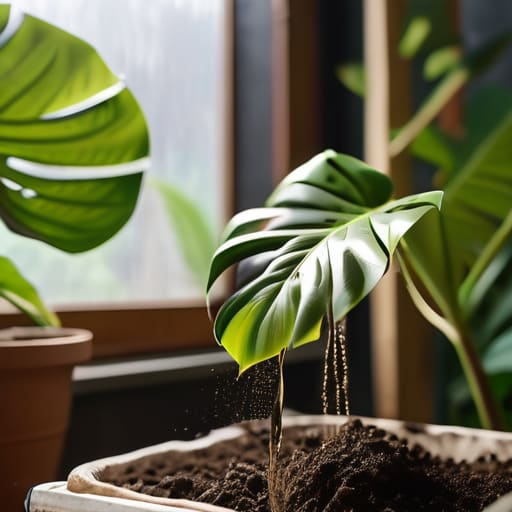
Think of your plant’s soil like the foundation of a complex Rube Goldberg machine; if the base isn’t steady and well-structured, the whole contraption—or in this case, your leafy friend—is going to stumble. It’s not just about dirt in a pot; it’s about creating a tiny, breathable ecosystem. When we talk about houseplant soil and drainage tips, I like to compare it to a sponge. You want something that holds onto just enough moisture to keep things running, but allows the excess to flow through so your plant’s roots don’t end up sitting in a soggy, suffocating puddle.
To get this right, you’ll want to ensure your pots have drainage holes—think of them as essential exhaust vents for excess water. If you’re working with a mix that’s too dense, adding a bit of perlite is like adding a few well-placed marbles to a track; it creates those tiny air pockets that allow the roots to breathe. Mastering this balance is a huge step in your journey, ensuring your new green companions stay vibrant and happy rather than struggling in a swamp!
Five Little Tricks to Keep Your Green Friends Happy and Healthy
- Think of watering like a rhythmic dance rather than a scheduled chore; instead of following a strict calendar, poke your finger into the soil to see if it’s thirsty, just like you’d check if a cup of cocoa is still warm.
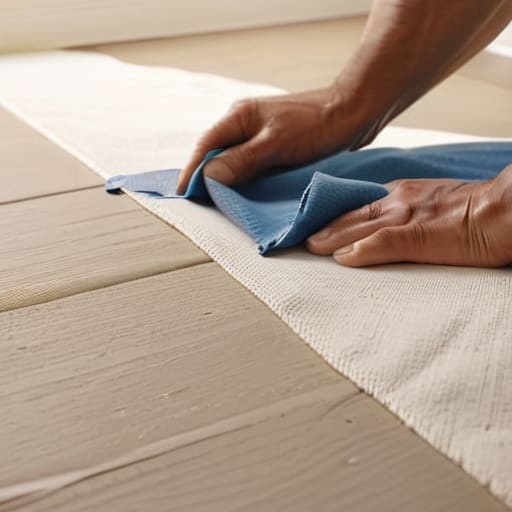
- Don’t forget the “spa day” for your leaves! Dust can act like a heavy blanket that blocks sunlight, so occasionally wiping them down with a damp cloth is like giving your plant a fresh pair of glasses to see the world better.
- Avoid the “drowning” trap by making sure your pots have drainage holes—think of it like an umbrella; it’s great to catch the rain, but you definitely don’t want to be stuck standing in a puddle all day!
- Pay attention to the “whispers” your plants are giving you; yellowing leaves might be a sign they’re feeling a bit too soggy, while crispy edges usually mean they’re craving a little more hydration.
- Treat your plant placement like setting up a Rube Goldberg machine—everything needs to be in just the right spot for the energy to flow, so make sure your leafy buddies are positioned where they can catch the perfect amount of ambient light to fuel their growth.
Growing Your Green Sanctuary
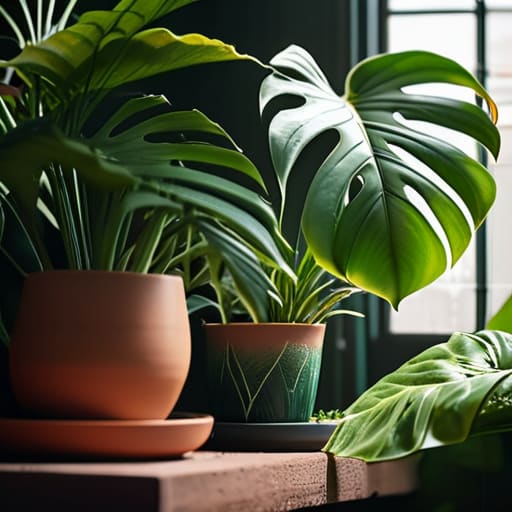
As we wrap up our little botanical deep dive, let’s take a quick look back at the blueprint we’ve built together. We’ve learned that finding the right plants for those dim corners of your apartment is just like selecting the right components for a computer build—it’s all about compatibility! We also explored how the magic of soil and drainage acts as the fundamental hardware that keeps your leafy friends powered up and running smoothly. Remember, managing your indoor jungle isn’t about being a master botanist overnight; it’s about understanding the basic rhythm of light, water, and nutrients to create a stable environment where your plants can truly thrive.
If I’ve learned anything from years of tinkering with old circuit boards and building Rube Goldberg machines, it’s that sometimes the most beautiful results come from a bit of trial and error. Don’t get discouraged if a leaf turns yellow or a stem looks a little sad; think of it as a small bug in the system that you’re learning to debug. Every little mistake is just another way to refine your process and grow more confident. So, go ahead and get your hands a little dirty! Embrace the unexpected, celebrate the small sprouts, and remember that nurturing life is a beautiful journey of discovery, one mismatched sock and one new leaf at a time.